

Why Every Calgary Sump Pump Needs a Backup Plan
A sump pump can run perfectly for years and still leave your Calgary, AB basement vulnerable at the worst possible moment. A power outage, failed float switch, blocked discharge line, or overwhelmed primary pump can allow groundwater to rise quickly, especially during spring thaw or a heavy summer storm.
At BPR Mechanical Ltd, we have spent more than 25 years working on plumbing systems in Calgary homes, from older properties in Inglewood and Ramsay to newer basements in Mahogany. With a 4.9-star rating across 84 Google reviews, our team focuses on practical protection rather than selling equipment that does not suit the home.
A backup system is not always a second identical pump. Depending on your risk level, it may be a battery-powered pump, a water-powered backup, a generator, or a combination of these. The right choice depends on your pit, discharge setup, municipal water pressure, basement finish, and how much water typically enters the sump.
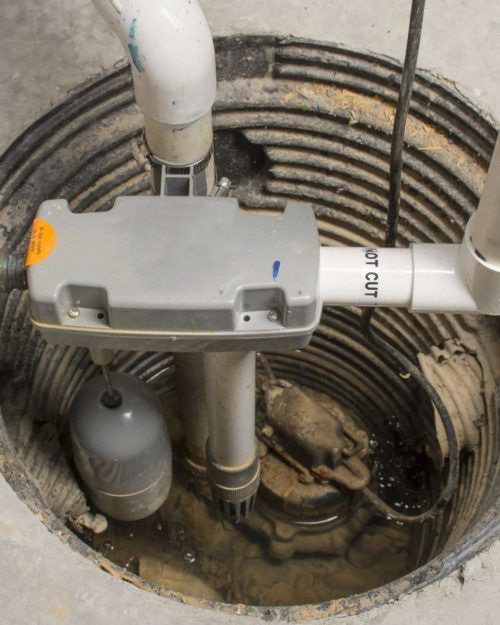
What a Sump Pump Backup Actually Protects You From
Your primary sump pump normally handles groundwater entering the pit through the foundation drainage system. A backup is there for the situations the primary pump cannot handle: an electrical outage, a burned-out motor, a stuck switch, a clogged discharge pipe, or unusually high inflow.
In Calgary, a backup can be especially valuable when a finished basement contains drywall, flooring, storage, or mechanical equipment. Even a few centimetres of water can create significant cleanup and restoration costs. A properly installed backup provides another layer of protection and gives you time to address the original problem before water reaches the finished area.
Calgary Sump Pump Backup Options: Which One Fits?
There are three common backup approaches, and each has strengths and limitations.
Battery-powered backup pump: This is the most common option for Calgary homes. A separate pump sits in or beside the primary sump pit and starts when the water level rises above the primary shutoff point or when the main pump loses power. A properly sized deep-cycle battery can provide several hours of pumping, although runtime depends on pump capacity, discharge height, battery condition, and how quickly water is entering the pit.
Water-powered backup pump: This system uses municipal water pressure to operate a backup ejector. It can continue working during an electrical outage without a battery, but it uses a significant amount of city water while running and requires suitable water pressure and plumbing access. It is not appropriate for every home, and installation must follow local plumbing requirements.
Generator-backed protection: A standby or portable generator can keep the primary pump and other essential equipment operating. This may be appropriate for homes with frequent outages or a high-volume sump system, but the generator must be safely installed and maintained. Never operate a portable generator inside a garage or basement.
In some homes, the best solution is a battery backup combined with a generator or a high-water alarm. We inspect the complete system before recommending equipment rather than assuming one product works for every Calgary basement.
How to Choose the Right Backup Sump Pump
Start with the conditions your backup will face, not just the horsepower printed on the box. A pump that looks powerful may perform poorly if it must push water a long vertical distance or through a restrictive discharge line.
Ask these questions during an assessment:
- How high must the pump lift water? This is the total vertical distance from the pump to the discharge outlet, not simply the depth of the pit.
- Where does the discharge line terminate? It should move water safely away from the foundation and be protected against freezing and blockage.
- How much water enters the pit? A high-inflow home may need a stronger backup or a second discharge arrangement.
- Does the battery match the system? Use the battery type and capacity specified for the backup pump, and install it in a suitable ventilated enclosure where required.
- Is there an alarm? A high-water alarm, battery alarm, or Wi-Fi notification can alert you before a small issue becomes a flooded basement.
We also check whether the primary and backup pumps can operate without interfering with each other. Poorly arranged check valves, undersized piping, and shared discharge restrictions can reduce performance. In our 25 years of experience, the installation details often matter as much as the pump brand.
Maintenance Steps for Calgary Homeowners
A backup system is not “set and forget” equipment. The battery can age quietly, a float can stick, and a discharge line can become restricted without any obvious warning.
Use this simple maintenance routine:
- Test the primary pump. Pour water into the sump pit slowly and confirm that the float activates the pump and shuts it off normally.
- Test the backup pump. Unplug the primary pump or use the manufacturer’s test procedure, then add water until the backup float starts. Do not leave the primary disconnected after testing.
- Check the alarm. Confirm that the audible alarm works and that any app or notification system still communicates with your phone.
- Inspect the battery. Look for corrosion, swelling, damaged cables, or a low-water condition if the battery requires maintenance. Most backup batteries need replacement every few years, but follow the manufacturer’s instructions and test performance rather than relying only on age.
- Inspect the discharge route. Confirm that water exits away from the foundation and that the outdoor termination is not blocked by ice, snow, leaves, or landscaping.
- Schedule a professional check. Have the sump basin, check valves, discharge piping, and pump capacity reviewed if the system cycles frequently, makes unusual sounds, or has previously overflowed.
For broader protection, our sump pump services include troubleshooting, installation, replacement, and system checks. We serve homeowners throughout Calgary, including Beltline, Bridgeland, Kensington, Signal Hill, and Mahogany.
When You Should Upgrade or Add a Backup
Adding a backup is worth serious consideration if your basement is finished, your home has experienced a previous flood, or your primary pump is more than several years old and difficult to replace quickly. It is also sensible if you travel frequently, have a home office or rental suite downstairs, or live in an area where outages can interrupt pumping.
Call for an assessment if you notice any of the following:
- The primary pump runs almost continuously during wet weather.
- The pump struggles to start, hums, vibrates, or trips a breaker.
- Water is returning through the discharge line after the pump shuts off.
- The sump pit is nearly full when the primary pump is operating.
- The backup alarm activates, even if you do not see flooding.
- The discharge line freezes or repeatedly blocks during Calgary winters.
BPR Mechanical Ltd can review the existing equipment and explain the likely installation cost before work begins. Backup installations vary widely: a straightforward battery pump may be a relatively modest project, while difficult access, new discharge piping, alarms, or generator integration can increase labour and material costs. We provide a clear recommendation based on your home rather than quoting a one-size-fits-all package.
Do Not Overlook the Discharge Line
A powerful backup pump cannot protect your basement if the water has nowhere to go. We regularly find discharge pipes with poor slope, inadequate support, frozen outdoor sections, or outlets too close to the foundation. These problems can cause water to return toward the sump or force the pump to work harder than it should.
Before the next major storm, walk the discharge route outside. Make sure the outlet is clear, the water flows away from the home, and temporary snow or landscaping has not blocked it. If your system repeatedly freezes or backs up, have the piping and check valves assessed by a professional serving your Calgary neighbourhood.
Frequently Asked Questions
Do I really need a backup sump pump if I have never had flooding?
A backup is most valuable before the first failure, particularly if your Calgary basement is finished or stores valuable items. Primary pumps can fail because of power loss, mechanical wear, a stuck float, or a blocked discharge line even when they have worked reliably in the past.
How long will a battery backup sump pump run?
Runtime depends on battery capacity, pump size, discharge height, and how much water is entering the pit. BPR Mechanical Ltd checks those conditions during an assessment and can recommend an appropriately sized battery rather than promising a fixed number of hours.
Is a water-powered backup better than a battery backup in Calgary?
Not automatically. A water-powered unit can operate during an electrical outage, but it requires suitable municipal water pressure and uses city water while running. We compare the home’s plumbing, water pressure, pit setup, and expected inflow before recommending that option.
Can I install a backup pump myself?
Some homeowners can replace a simple pump, but a complete backup system involves check valves, discharge piping, electrical connections, alarms, and correct pump sizing. For Calgary homes, professional installation helps prevent a backup from being undermined by restricted piping or an unsafe connection.
How often should my sump pump backup be tested?
Test the primary pump, backup pump, alarm, and battery condition at least twice a year, plus before spring thaw and periods of heavy rain. If you live in Inglewood, Ramsay, Marda Loop, or another area with a finished basement and have noticed frequent cycling, schedule a professional inspection sooner.