
Why Does My Floor Drain Smell?
A floor drain that suddenly smells like rotten eggs, sewage, or stagnant water is more than an unpleasant nuisance. In Calgary, AB homes, the odour may come from a dry trap, organic buildup, sewer gas, or a drainage issue developing below the basement floor.
The good news is that some causes are simple to correct. Adding water to a neglected drain trap may solve the problem in minutes. Other situations—especially recurring odours, bubbling drains, or sewage backup—need proper diagnosis rather than repeated applications of drain cleaner.
At BPR Mechanical Ltd, we have been helping Calgary homeowners with plumbing problems for more than 25 years. Our team has worked in everything from older basements in Inglewood, Ramsay, and Mission to newer homes in Mahogany and Signal Hill. We are proud of our 4.9-star rating across 88 Google reviews, and we approach odour complaints by finding the source instead of masking it.
The Most Common Cause: A Dry P-Trap
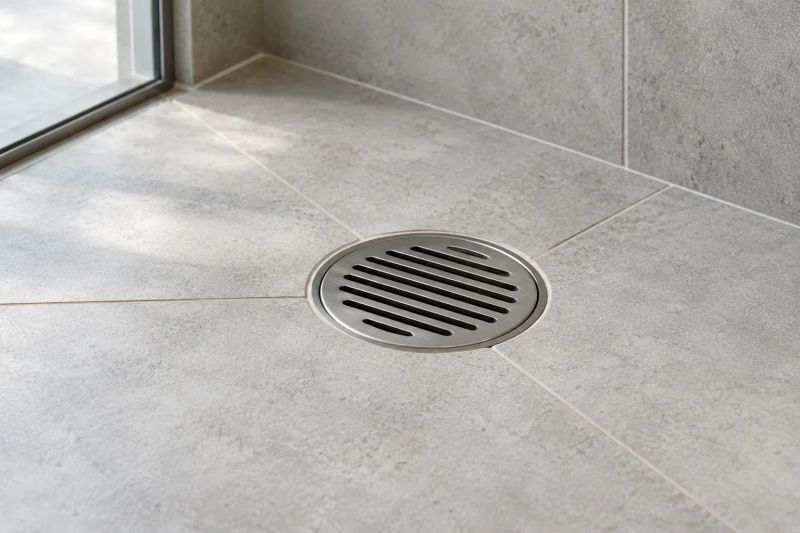
Most floor drains connect to a trap that holds a small amount of water. That water creates a seal between your home and the drainage system, helping keep sewer gases out of the basement. If the drain is rarely used, the water can evaporate—particularly during Calgary’s dry winter months or when indoor heating runs continuously.
Try pouring approximately two litres of clean water slowly into the floor drain. If the smell improves but returns within days or weeks, the trap may be losing water because of evaporation, siphoning, a damaged trap, or a venting problem. A small amount of mineral oil added after the water can slow evaporation, but it is not a substitute for repairing a defective drainage system.
For persistent odours, our drain cleaning service can help determine whether the issue is limited to the trap or connected to a larger blockage or sewer-line concern.
Calgary Floor Drain Odours: Causes to Check First
A floor drain odour can have several sources, and the smell itself offers useful clues. Before calling for service, note when the odour appears, whether nearby fixtures are affected, and whether the drain has recently overflowed.
Common causes include:
- Dry floor drain trap: The drain has not received water recently, allowing sewer gas to pass through.
- Sludge or organic buildup: Hair, dust, detergent residue, and stagnant water can create a musty or sour smell inside the trap or branch drain.
- Partial blockage: A restricted pipe can hold dirty water and allow odours to rise, sometimes with gurgling or slow drainage.
- Sewer gas entering through a damaged seal: Cracks, loose cleanout caps, or an improperly sealed drain connection can allow odours into the room.
- Blocked or poorly functioning venting: Drain vents help maintain pressure in the plumbing system. If a venting issue siphons water out of the trap, the smell may repeatedly return.
- Backwater or sewer-line problems: A floor drain may be the lowest opening in the home, so it can show early signs of a building drain or municipal sewer issue.
A musty smell that disappears after adding water is usually less urgent than a strong sewage odour accompanied by bubbling, backup, or multiple slow fixtures. However, repeated symptoms should still be investigated.
Safe Steps Calgary Homeowners Can Try
If there is no active sewage backup, you can perform a few low-risk checks. Avoid mixing chemicals, and do not reach into a drain if you do not know what is inside it.
- Ventilate the area. Open a window or door if practical. If the smell causes headache, dizziness, nausea, or irritation, leave the area and contact a professional.
- Remove the drain cover carefully. Look for visible debris, standing water, or a damaged grate. Wear gloves and wash your hands afterward.
- Add clean water slowly. Pour about two litres into the drain to refill the trap. Listen for unusual bubbling or observe whether the water drains normally.
- Clean only visible buildup. A long-handled brush and warm soapy water can remove residue around the opening. Never combine bleach, acidic cleaners, or commercial drain products.
- Monitor the result. Record whether the odour returns, how quickly it returns, and whether laundry, toilet, sink, or shower use changes the smell.
Do not pour boiling water into a drain connected to older plastic or vulnerable piping, and do not use repeated chemical treatments as a troubleshooting method. Chemicals may damage some components, create a hazard for the technician, and fail to clear the underlying restriction.
When a Floor Drain Odour Needs a Plumber
Call BPR Mechanical Ltd when the smell remains after refilling the trap, returns frequently, or appears with other drainage symptoms. We commonly recommend professional assessment when homeowners notice:
- Sewage odour throughout the basement, not just directly above the drain
- Bubbling or gurgling when a toilet is flushed, a washing machine drains, or a sink is used
- Slow drainage or standing water in the floor drain
- Water backing up through the drain during heavy laundry or fixture use
- More than one affected fixture, suggesting a branch drain or main building drain issue
- A recurring dry trap even though the drain receives water regularly
- Visible cracking, corrosion, or movement around the drain body or concrete floor
In our 25 years of experience, the most helpful information is often the timeline. Tell us whether the odour started after a thaw, heavy rainfall, basement renovation, washing-machine installation, or a period when the home was vacant. Homes in older areas such as Beltline, Bridgeland, Kensington, Mount Pleasant, and Tuxedo Park can have different drain layouts and pipe materials than newer Calgary construction, so the inspection approach may vary.
How We Diagnose and Correct the Problem
Our first step is to identify whether the odour is coming from the trap, the drain piping, a cleanout, or another nearby source. We check the water level, drainage speed, visible condition of the opening, and how connected fixtures behave. We also ask about previous renovations, sump systems, sewer backups, and any plumbing work completed in the basement.
Depending on the symptoms, the solution may involve cleaning the trap, clearing a restriction, repairing a damaged drain connection, correcting a venting concern, or recommending further investigation of the building drain. For stubborn or recurring problems, a camera inspection can help locate buildup, displaced joints, cracks, or root intrusion without unnecessary excavation.
A straightforward dry-trap visit may be relatively quick, while a blocked building drain or damaged underground pipe can take longer and require specialized equipment. We explain the findings and options before proceeding. Our broader residential plumbing services cover the related repairs that may be needed in Calgary homes, and urgent sewage backups can be addressed through our emergency plumbing service.
Do Not Ignore a Recurring Sewer Smell
A floor drain is often one of the lowest points in a basement, which means it can reveal a problem before water reaches finished flooring or stored belongings. If the odour is accompanied by dampness, drain bubbling, or backup, keep people and pets away from the affected water and avoid using fixtures until the cause is assessed.
Calgary weather can also expose weaknesses in drainage systems. Rapid snowmelt, frozen ground, and heavy summer rainfall can increase the load on building drains and municipal sewer systems. A drain that smells only during certain weather or high-use periods deserves attention, even if it appears normal the rest of the time.
Frequently Asked Questions
Why does my basement floor drain smell after winter?
Calgary’s dry heated air can evaporate water from a floor drain trap, allowing sewer gas to enter. Add clean water first, but if the odour returns quickly, BPR Mechanical Ltd should check for a damaged trap, siphoning, or venting issue.
Can I pour bleach or drain cleaner into a smelly floor drain?
We do not recommend using chemical drain cleaners to solve an odour. They may not reach the source, can damage components or create dangerous fumes, and may expose anyone working on the drain to hazardous residue.
Is a floor drain smell always a sewer problem?
No. A dry trap or organic buildup can create an odour without a major sewer-line failure. However, sewage smells with bubbling, slow drains, or backup can indicate a larger restriction, so professional diagnosis is the safest approach.
How quickly can BPR Mechanical Ltd respond to a floor drain backup in Calgary?
We prioritize active backups and urgent plumbing conditions in the Calgary area. When you contact us, describe the water level, affected fixtures, and whether sewage is present so our team can recommend immediate precautions and the appropriate service response.
Do older Calgary homes need a different floor drain inspection?
Often, yes. Homes in communities such as Inglewood, Ramsay, Mission, and Crescent Heights may have older drain materials, altered basement layouts, or previous renovations. We account for the home’s age and plumbing history before recommending cleaning, repair, or camera inspection.