
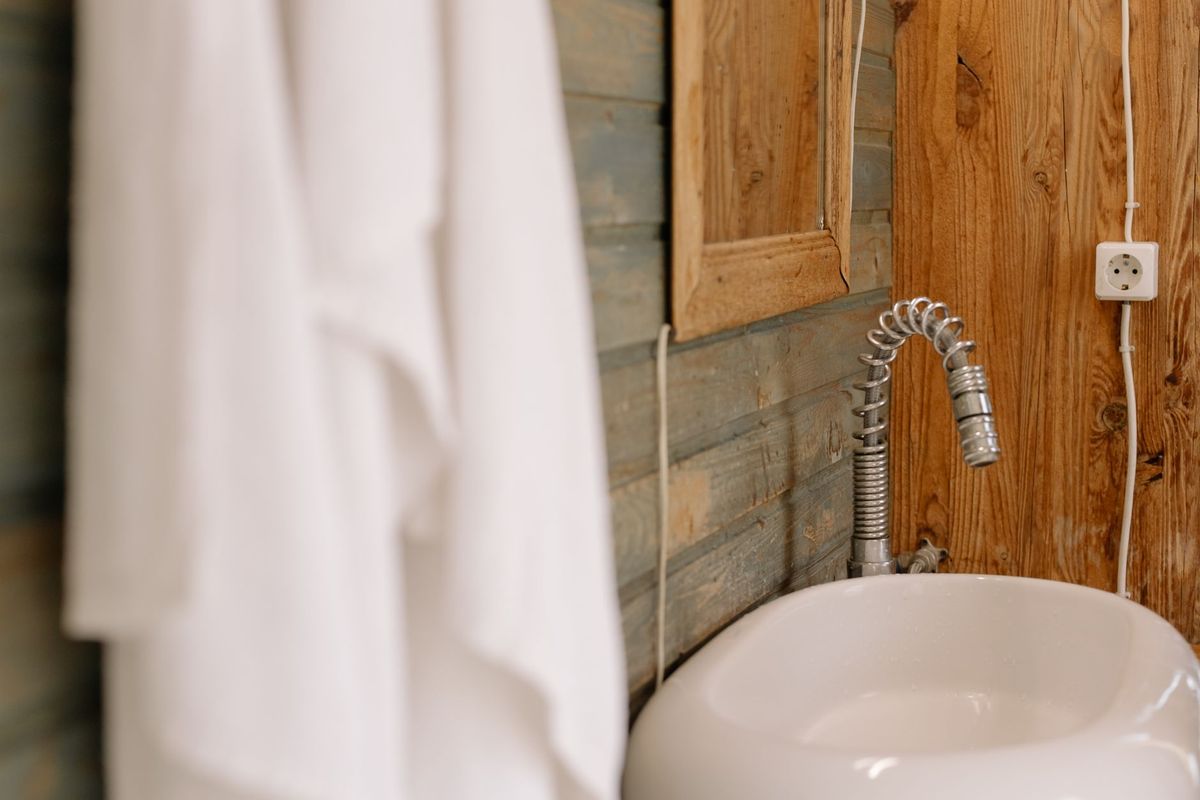
Why Calgary Fixtures Develop White Scale So Quickly
If your faucet aerator is spraying sideways, your shower pattern has weakened, or white crust keeps returning around the base of a fixture, Calgary’s hard water may be the reason. Homes throughout Calgary, AB receive mineral-rich water, and the calcium and magnesium it contains gradually collect inside faucet cartridges, aerators, showerhead nozzles, and supply connections.
At BPR Mechanical Ltd, we have spent more than 25 years working on plumbing systems in homes across Calgary. We have seen hard-water buildup affect everything from a newer condominium faucet in the Beltline to an older bathroom fixture in Inglewood or Ramsay. With a 4.9-star rating across 88 Google reviews, our approach is straightforward: identify whether cleaning will solve the problem, repair the affected component when practical, and recommend replacement only when it offers better long-term value.
Hard water does not usually create an emergency overnight. It causes gradual restriction, leaking, stiff handles, uneven spray, and premature wear. Understanding what is happening helps you choose the right fix instead of repeatedly scrubbing the same deposits.
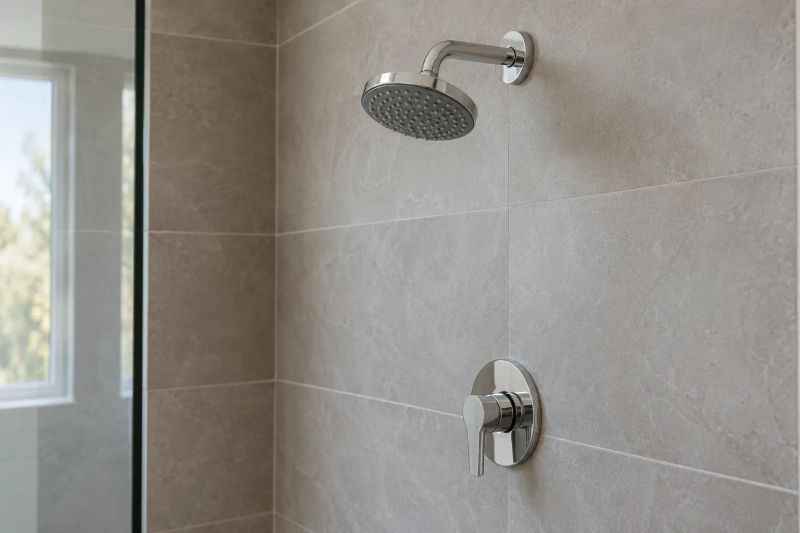
What Hard Water Leaves Behind
The white or chalky material around a Calgary faucet is commonly mineral scale. It forms when water evaporates and leaves calcium carbonate and other dissolved minerals behind. A thin film may only look untidy, but thicker deposits can block an aerator screen, restrict a showerhead’s spray channels, or prevent a cartridge from moving smoothly.
Scale also collects in less visible places. It can build up inside braided supply-line ends, around shutoff valves, beneath faucet handles, and inside the small passages that balance hot and cold water. When a fixture begins dripping or its pressure drops, cleaning the visible surface may not address the actual restriction.
Our fixture installation service includes evaluating the connection, shutoff valves, mounting hardware, and surrounding plumbing—not just swapping the fixture above the countertop or tub.
Calgary Hard Water Symptoms to Watch For
Hard-water damage usually begins with small changes. Watch for these signs around sinks, tubs, and showers:
- Uneven or weak spray: A partially blocked aerator or showerhead can reduce flow and send water in several directions.
- White, grey, or chalky deposits: Scale commonly appears around the faucet base, handle, spout tip, shower arm, and tub drain area.
- A stiff handle: Mineral buildup can affect the cartridge or valve stem, making the handle harder to turn or causing temperature control to feel inconsistent.
- A dripping faucet: Deposits can damage cartridge seals or prevent the cartridge from closing completely. A drip is not always caused by hard water, but scale can accelerate wear.
- Hot-water flow that is worse than cold-water flow: Restrictions can develop in a faucet cartridge or hot-side supply connection. If multiple fixtures have reduced hot-water flow, the issue may require broader diagnosis.
Homes in areas such as Bridgeland, Kensington, Signal Hill, Mahogany, Mount Pleasant, and Crescent Heights can all experience these symptoms. The age of the fixture, the household’s water use, and whether a water softener is installed will influence how quickly buildup becomes noticeable.
Safe Cleaning for Faucets and Showerheads
For light deposits, regular cleaning can extend the life of a fixture. Start by wiping the surface with a soft cloth and a mild dish-soap solution. For a removable aerator or showerhead, follow the manufacturer’s instructions and soak the mineral-affected part in white vinegar or a manufacturer-approved descaling solution. A soft toothbrush can loosen deposits from screens and rubber spray nozzles.
Use these steps to avoid creating a new problem:
- Protect the finish. Test any solution in an inconspicuous area first. Acidic cleaners and abrasive pads can damage brushed, matte, oil-rubbed, or specialty finishes.
- Do not force a stuck part. An aerator that will not turn can damage the faucet spout or its threads. Use a cloth between the tool and finish, and stop if the metal begins to deform.
- Rinse thoroughly. Loose scale can travel into the cartridge or clog the aerator again if it is not flushed away.
- Check the screen and rubber nozzles. Replacing a damaged aerator or cleaning the nozzles may restore the spray without replacing the entire fixture.
- Look for leaks after reassembly. Run both hot and cold water, inspect the connections, and confirm that the faucet shuts off completely.
Never mix vinegar with bleach, ammonia, or other cleaning products. Also avoid soaking the complete faucet assembly unless the manufacturer specifically permits it; water can reach internal components, cabinet spaces, or finishes that were not designed for prolonged exposure.
When Cleaning Is Not Enough
Cleaning works best when scale is limited to a removable aerator, shower screen, or exposed spray nozzle. It is less effective when mineral buildup has damaged a cartridge, distorted a seal, corroded a connection, or restricted an internal passage. If a faucet still drips, has a loose handle, or provides poor flow after cleaning, the next step is usually inspection rather than stronger chemicals.
In our 25 years of experience, we often find that repeated DIY cleaning is masking a worn cartridge. Cartridge replacement can be a sensible repair when the faucet body and trim are in good condition, replacement parts are available, and the labour is reasonable compared with the cost of a new fixture. We also inspect the shutoff valves because an old valve that will not close properly can turn a simple faucet repair into a larger plumbing job.
Replacement is usually more practical when the fixture has extensive corrosion, discontinued parts, cracked plastic, a damaged finish, or several failing components. When we install a new faucet or showerhead, we check the connection sizes, mounting surface, water pressure, flow requirements, and accessibility for future maintenance. Our bathroom plumbing services can help when the fixture problem is connected to a broader bathroom plumbing issue.
Reducing Hard-Water Wear in Your Calgary Home
A new faucet will eventually develop scale if the underlying water conditions remain the same. To slow the process, wipe fixtures dry after cleaning, remove and rinse aerator screens periodically, and avoid leaving standing water around the base of a faucet. In households with several affected fixtures, consider whether a properly selected and maintained water softener would make sense.
A softener can reduce calcium and magnesium entering the plumbing system, but it must be sized for the home and installed with the correct bypass, drain, overflow, and regeneration settings. It is not a substitute for repairing a leaking faucet or replacing a blocked cartridge. We can discuss whether water softener installation is appropriate based on the home, water use, existing plumbing, and the results you want.
If scale is appearing suddenly or only one fixture has a major pressure problem, do not assume hard water is the only cause. A partially closed shutoff valve, failing pressure regulator, blocked supply line, deteriorated washer, or issue inside the faucet can produce similar symptoms. A focused inspection prevents unnecessary fixture replacement.
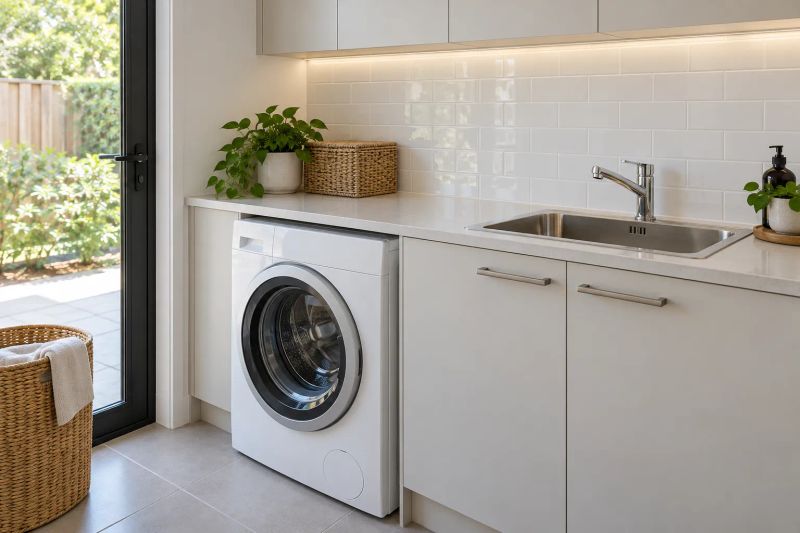
Repair or Replace? We Look at the Whole Fixture
When a Calgary homeowner calls us about a scaled faucet or showerhead, we consider more than the appearance of the mineral deposits. We check whether the fixture is leaking, whether the cartridge or aerator can be sourced, how the shutoff valves operate, and whether corrosion has affected the connections.
A straightforward aerator cleaning may take only a few minutes. A cartridge repair can take longer if the handle or retaining nut is seized. A complete replacement may be the better choice when the fixture is older, parts are unavailable, or the cost of repeated repairs approaches the cost of a dependable new installation. We explain the options before proceeding so you can make a practical decision for your home.
Frequently Asked Questions
Can Calgary hard water permanently damage a faucet?
Yes. Mineral scale can wear cartridges, seals, aerator screens, threads, and internal passages over time. Cleaning may remove surface buildup, but a faucet with corrosion, persistent dripping, or damaged internal parts may need a cartridge repair or replacement.
How often should I clean my showerhead in Calgary?
Many Calgary homes benefit from checking showerheads every three to six months, although homes with heavier buildup may need more frequent attention. If spray pressure is declining or several nozzles are blocked, cleaning may not be enough and BPR Mechanical Ltd can inspect the fixture.
Is vinegar safe for every faucet or showerhead finish?
No. Vinegar can affect some specialty finishes, coatings, seals, and manufacturer materials, especially with prolonged contact. Check the care instructions first, use a soft cloth, and choose a manufacturer-approved cleaner when you are unsure.
Should I replace a faucet or repair it?
We generally consider the fixture’s age, condition, available replacement parts, corrosion, and repair cost. In Calgary homes, a cartridge or aerator repair can be worthwhile when the faucet body is sound, while an older corroded fixture is often better replaced.
Do I need a water softener if only my showerhead is scaled?
Not necessarily. A single affected showerhead may simply need cleaning or replacement, while scale throughout the home suggests a broader water-quality concern. We can assess the symptoms and discuss whether softener installation is likely to provide value.
Ready to Stop Hard-Water Buildup from Getting Worse?
Contact BPR Mechanical Ltd today.