
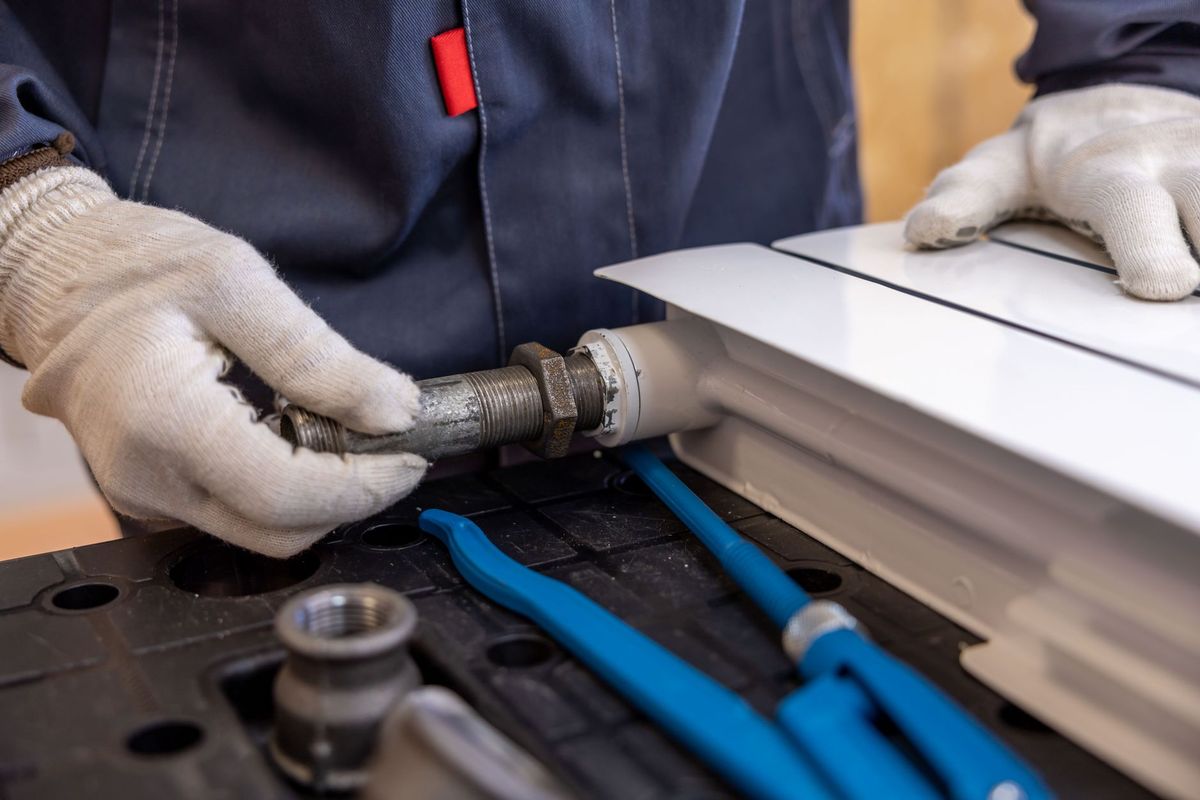
Why Cross-Connection Testing Matters in Calgary-Area Properties
A hose submerged in a mop bucket, an irrigation line, or a boiler-treatment system may seem harmless. However, if water pressure changes, contaminated water can flow backward through the plumbing and enter the potable water supply. This is called backflow, and the connection that creates the risk is a cross-connection.
In Calgary, Airdrie, Rocky View County and Chestermere, property owners may have testing obligations when their plumbing systems include irrigation, fire protection, commercial equipment, boilers, chemical processes or other higher-risk connections. Testing is not simply paperwork. It confirms that a backflow prevention assembly operates when your community’s drinking water system needs protection.
At BPR Mechanical Ltd, we have been serving Calgary-area property owners for more than 25 years. Our licensed plumbing team works with residential, commercial and multi-unit properties, and our 4.9-star rating across 77 Google reviews reflects the practical, careful service our customers expect. We can also explain the applicable local requirements and provide our current licensing and certification details for your records before testing begins.

What Is a Cross-Connection Test?
A cross-connection test checks whether a backflow prevention assembly can stop reverse flow under the conditions it was designed for. Depending on the installation, the assembly may be a reduced pressure principle device, a double check valve assembly, a pressure vacuum breaker or another approved backflow protection device.
Our tester uses calibrated test equipment to measure the assembly’s shutoff and relief performance. We record the readings, confirm the device identification and determine whether it passes, fails or needs service. A test is different from a visual inspection: a device can look clean and intact but still have worn checks, a blocked relief port or incorrect operating pressure.
Testing should be performed by a qualified tester using equipment maintained according to the applicable requirements. If the assembly fails, we explain whether cleaning, rebuilding, adjustment or complete replacement is the most sensible repair rather than automatically recommending a new device.
Calgary Cross-Connection Testing: Which Properties Need Attention?
The requirement depends on the type of connection and the hazard it represents, not just the size of the building. A small business can have a significant backflow risk, while a large building may have several separate assemblies that must be tracked individually.
Common examples include:
- Landscape irrigation systems, especially systems connected to fertilizer injection, chemical treatment or underground sprinkler piping.
- Commercial and industrial equipment, including car washes, laundries, food-processing equipment and chemical dispensing systems.
- Boilers and hydronic heating systems where treatment chemicals or non-potable water could enter the potable supply.
- Fire protection systems, which can require dedicated backflow protection and regular documentation.
- Multi-residential and institutional buildings with complex mechanical rooms or multiple water services.
- Dental, medical, agricultural and laboratory equipment that connects to the building’s water piping.
In Calgary, a property manager may be responsible for keeping test reports current for the municipality, water provider, building owner or another authority. In Airdrie and Chestermere, requirements can likewise depend on the local water system and the type of installation. Rocky View County properties may have additional considerations because rural and acreage systems can include wells, irrigation, livestock areas and private water infrastructure. We recommend confirming the exact reporting interval with the authority responsible for your water service rather than assuming every assembly follows the same schedule.
What Happens During a BPR Mechanical Test?
A proper appointment is usually straightforward, but access and preparation make a major difference. Before we arrive, locate the backflow device if possible and make sure the surrounding area is safe and accessible. Mechanical rooms should not be blocked by storage, and outdoor assemblies should be reachable without digging through snow, landscaping or stored materials.
Our general process is:
- Identify the assembly. We confirm the manufacturer, model, size, serial number, location and type of device.
- Review the installation. We look for isolation valves, drain discharge, damage, freezing exposure, corrosion and conditions that could affect a reliable test.
- Connect calibrated gauges. The gauge hoses and test cocks are connected carefully so the readings represent the assembly’s actual operation.
- Test each required function. The procedure varies by device type. We measure pressure differences and confirm that checks hold and relief functions operate as intended.
- Document the result. We record readings and identify whether the assembly passed, failed or requires repair.
- Explain next steps. If a repair is needed, we discuss the cause, likely parts, expected timing and whether the water service must be interrupted.
Many appointments take roughly 30 to 60 minutes for one accessible assembly. A difficult mechanical-room installation, multiple devices or a repair can take longer. If a device fails, we do not treat that as a reason to panic; many failures result from debris, scale, worn rubber components or a valve that has not been exercised properly. The important step is correcting the problem and arranging a retest when required.
Backflow Prevention Tips for Calgary, Airdrie and Chestermere Owners
Calgary winters make freeze protection especially important. An outdoor vacuum breaker or irrigation assembly can be damaged when water remains trapped inside during freezing temperatures. Before winter, have irrigation lines drained and confirm that exposed components are protected according to the manufacturer’s instructions. Do not wrap a device in insulation while leaving it full of water; insulation alone does not remove the freezing risk.
Keep these practical points in mind:
- Do not remove or bypass a backflow preventer because it causes low pressure or nuisance discharge.
- Keep test cocks, shutoff valves and relief ports accessible and free of paint, dirt and landscaping.
- Repair leaking toilets, hose bibs and irrigation valves promptly; pressure changes and uncontrolled connections deserve attention.
- Keep a copy of the latest test report with your building’s maintenance records.
- Tell your plumber about chemical injectors, boiler additives, private wells, cisterns and water treatment equipment.
- Schedule testing before a deadline, not after a notice or failed inspection.
In our 25 years of experience, missing information is one of the most common causes of delays. A test can be completed efficiently when we know how many assemblies are on site, where they are located and whether the water service can be shut off. Our broader plumbing services support property owners who need related repairs, valve work or equipment changes identified during testing.
How Much Does Testing Cost and How Often Is It Required?
The cost depends on the number of assemblies, their location, accessibility and whether a repair or retest is needed. A single, accessible residential or small commercial device is normally less involved than several assemblies spread through a shopping centre, apartment building or industrial site. As a useful planning estimate, many straightforward single-device visits take under an hour, while multi-device testing may require several hours and a coordinated shutdown.
Testing fees and repair costs should be confirmed after we know the device type and site conditions. Replacement parts can range from relatively simple check components to a complete assembly, and larger devices may require additional labour or lifting equipment. We provide practical recommendations before proceeding with non-emergency work.
The testing interval is not identical for every property. Some authorities, permits, water providers or facility programs require annual testing, while the device type and hazard classification may affect the schedule. If you received a notice, have a new irrigation or mechanical installation, or are taking over a property in Calgary, Airdrie, Rocky View County or Chestermere, send us the notice and the previous report. We can help identify what is required and arrange the correct test rather than guessing.
Protect the Water Supply Before a Problem Becomes a Notice
Cross-connection protection is easy to overlook because the backflow device often sits quietly in a mechanical room, sprinkler vault or service area. The risk becomes more obvious when a valve leaks, a test report expires, an irrigation system is modified or a property changes ownership.
For homes and businesses across Calgary, including Inglewood, Ramsay, Marda Loop, Beltline, Bridgeland, Kensington, Signal Hill and Mahogany, we focus on clear reporting and dependable repairs. We also travel to Airdrie, Rocky View County and Chestermere for scheduled plumbing work, subject to access and appointment availability.
Before booking, gather the last test report, device information and any correspondence from the city, water provider or property manager. That preparation helps our team arrive ready to test, explain the result and identify the next practical step.
Frequently Asked Questions
Do I need cross-connection testing if my property is only a house?
Some single-family homes do not require formal testing, but irrigation systems, private wells, chemical injection equipment or other higher-risk connections can change that. BPR Mechanical Ltd can review the setup and explain whether a test or a different form of backflow protection is appropriate in Calgary and surrounding communities.
What if my backflow preventer fails the test?
A failed test does not always mean the entire assembly must be replaced. Our team checks for debris, worn internal parts, damaged seals, freezing damage and valve problems, then explains whether cleaning, rebuilding or replacement is the best option before completing the repair and any required retest.
Can you test assemblies in Airdrie, Rocky View County and Chestermere?
Yes, BPR Mechanical Ltd serves Calgary and nearby areas including Airdrie, Rocky View County and Chestermere, along with neighbourhoods such as Bridgeland, Kensington, Signal Hill and Mahogany. Availability can depend on the number of devices, location and access requirements.
How should I prepare for a cross-connection test?
Make the assembly accessible, clear storage from the mechanical room, identify all connected equipment and have the previous report or compliance notice available. If the water must be shut off, notify occupants, tenants or staff in advance so the appointment can be completed without unnecessary disruption.
Can BPR Mechanical provide the test report?
We document the assembly information, test readings and result, and we explain any repair or retest requirement. Reporting procedures can vary by municipality, water provider and property type, so we will clarify what documentation is needed for your specific Calgary-area installation.