
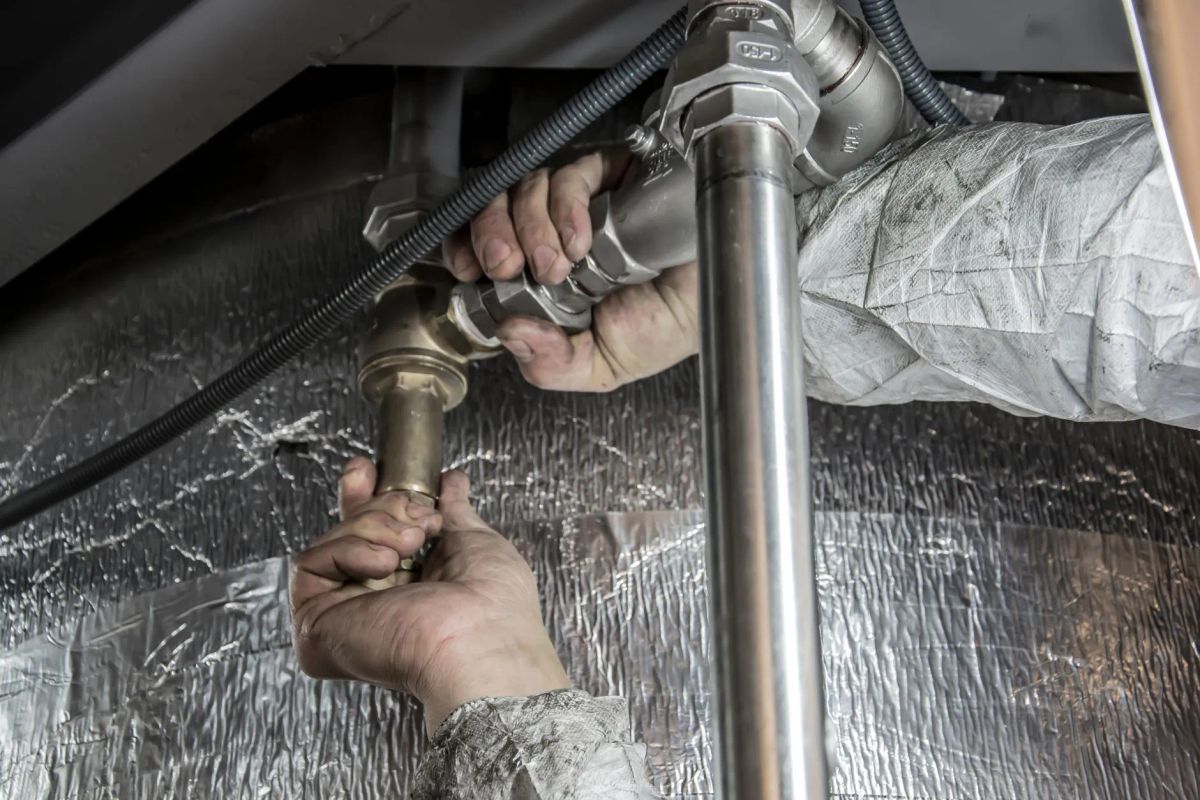
Why Your Hot Water Tank Deserves an Annual Check
Most Calgary homeowners do not think about their hot water tank until the shower turns cold, rusty water appears at a tap, or a puddle forms around the base. By then, a small maintenance issue may have become a leak, a failed component, or a full replacement emergency.
At BPR Mechanical Ltd, we have maintained and repaired residential plumbing systems in Calgary for more than 25 years. Our team sees the same pattern repeatedly: a short annual inspection and a few practical maintenance steps can identify sediment, corrosion, pressure problems, and safety concerns before they disrupt your home.
Calgary’s treated water is safe and reliable, but mineral content and sediment can still collect inside a storage tank over time. Annual maintenance helps your tank heat water more efficiently, protects connected plumbing, and gives you a clearer idea of when replacement planning makes sense. We are proud to have earned a 4.9-star rating across 84 Google reviews, and we bring that same careful approach to homes throughout Calgary.
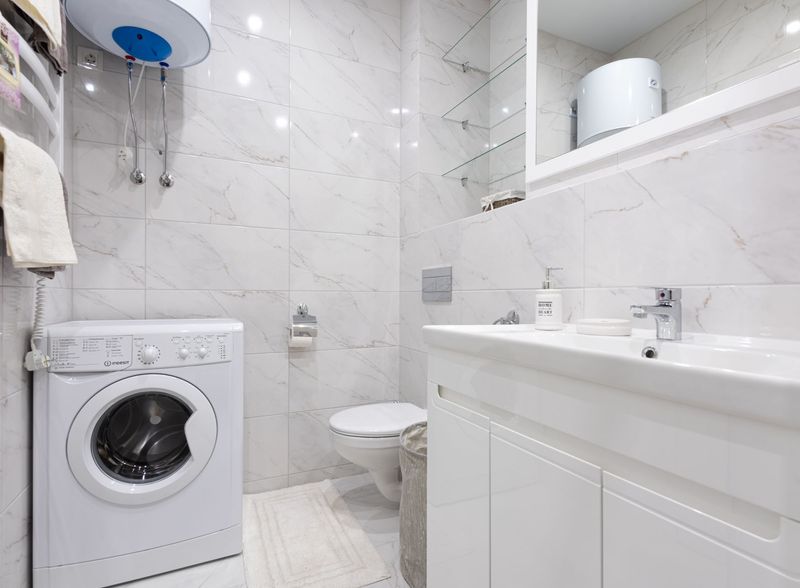
What Annual Hot Water Tank Maintenance Actually Includes
Annual maintenance is more than looking at the outside of the tank. A proper service visit includes checking the tank, fittings, shutoff valve, temperature and pressure relief valve, drain valve, venting on gas models, electrical connections on electric models, and the surrounding floor for signs of moisture.
Depending on the tank’s condition, we may recommend flushing sediment, testing the relief valve, inspecting the anode rod, checking operating temperature, or replacing worn components. Most routine appointments take approximately 45 to 90 minutes, although heavily sedimented tanks or tanks in tight mechanical rooms can take longer.
The goal is not to sell a replacement unnecessarily. It is to understand the condition of the equipment, explain what we find, and help you decide whether maintenance, repair, or replacement is the sensible next step.
Calgary Hot Water Tank Maintenance: What We Check
A storage tank has several parts that work together, and each one tells us something about the system’s health. During an annual visit, our team generally checks:
- Tank and connections: We look for corrosion, dampness, staining, bulging, and slow leaks around the nipples, unions, drain valve, and temperature and pressure relief valve.
- Temperature and pressure relief valve: This safety device must be able to release excessive pressure or temperature. We inspect it carefully because testing an older valve can reveal that it no longer closes properly; a faulty valve should be replaced rather than ignored.
- Anode rod: The anode rod helps protect the steel tank from corrosion. In Calgary homes, its service life varies with water chemistry and usage, but checking it around the three- to five-year mark can help prevent premature tank failure.
- Sediment and drain valve: Mineral deposits can settle at the bottom of the tank, making the burner or heating elements work harder and sometimes causing rumbling or popping sounds. We assess whether flushing is appropriate and whether the drain valve will operate safely.
- Gas or electrical components: Gas units require attention to the burner area, venting, combustion air, and visible connections. Electric units require inspection of accessible wiring, heating element performance, and thermostat operation. We do not recommend homeowners remove covers or work on gas or electrical components themselves.
How Homeowners Can Do a Safe Monthly Check
You do not need to be a plumber to notice early warning signs. Once a month, take two minutes to look around the tank without removing panels or touching gas controls.
- Check the floor and the bottom edge of the tank for water, rust-coloured staining, or dampness.
- Look at the pipes and fittings above the tank for condensation, corrosion, or drops forming at a connection.
- Listen for new popping, rumbling, sizzling, or banging sounds while the tank is heating.
- Pay attention to water temperature. Repeatedly cold water, temperature swings, or water that is suddenly too hot should be investigated.
- Confirm that the area around the tank is clear. Do not store boxes, paint, cleaners, or combustible materials against a gas water heater, vent, or access area.
If you notice an active leak, shut off the water supply to the tank if it is safe to do so and contact a plumber. Do not operate a gas control, relief valve, or electrical disconnect if you are unsure what it does. Our water heater repair and installation service is available when a problem needs professional diagnosis.
Why Flushing and Anode Inspection Matter in Calgary
Sediment at the bottom of a tank acts like an insulating layer. The burner or heating elements must run longer to transfer heat through that buildup, which can increase energy use and contribute to noisy operation. Sediment can also interfere with the drain valve and reduce the amount of usable hot water.
Flushing is not automatically harmless on every older tank. If the drain valve is brittle, the tank is heavily corroded, or the sediment has been sealing a weak area, opening the valve may expose an existing problem. That is why we assess the tank before flushing rather than treating it as a routine do-it-yourself step.
The anode rod deserves similar attention. It is designed to corrode before the tank lining does. If it is mostly consumed, replacing it may extend the tank’s useful life; if the tank is already leaking from the shell, an anode replacement will not repair it. In our 25 years of experience, explaining that distinction clearly helps homeowners avoid spending money on a repair that cannot solve the underlying failure.
When Maintenance Becomes Repair or Replacement
Annual service does not guarantee that a tank will last indefinitely. Most conventional tanks commonly provide roughly 8 to 12 years of service, though installation quality, water use, maintenance, tank design, and local conditions all affect lifespan. A tank approaching that range is worth evaluating before it fails during a weekend or holiday.
Plan for a repair or replacement discussion if you see:
- Water leaking from the tank body rather than a replaceable fitting
- Rust or corrosion around the base or relief valve connection
- Repeated loss of hot water after a repair
- A failed burner, thermostat, heating element, or gas control
- Significant rumbling or popping that returns after service
- A tank that is more than 10 years old with several components deteriorating
Replacement pricing varies with tank capacity, fuel type, venting, code requirements, access, and disposal. In Calgary, a straightforward standard tank replacement often takes several hours, while changes to venting, gas connections, drainage, or location can add time and cost. We provide options instead of assuming every home needs the same equipment. For broader planning, our residential plumbing services can help coordinate related plumbing work during a renovation or mechanical upgrade.
We serve homeowners in Inglewood, Ramsay, Marda Loop, Beltline, Bridgeland, Kensington, Signal Hill, Mahogany, and surrounding Calgary communities. If you are unsure whether your tank needs a service visit or a replacement assessment, our contact page is the best place to reach our team.
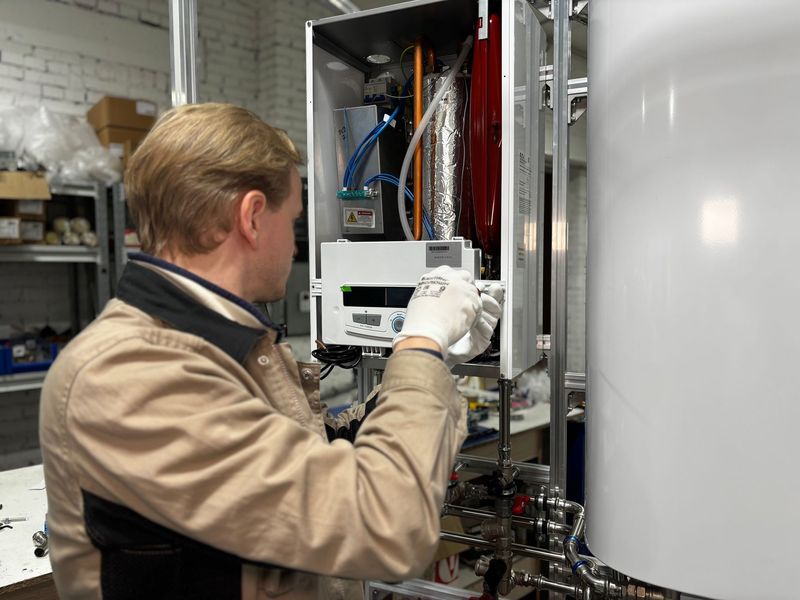
A Small Maintenance Visit Can Prevent a Large Water-Damage Claim
A failed hot water tank can release a large volume of water into a basement, utility room, or finished space. The risk is especially frustrating when the first warning was a small amount of moisture that could have been addressed earlier.
Keep the tank accessible, avoid storing items around it, and take a quick photo of the piping and shutoff location so every adult in the household knows what to look for. If your tank is showing corrosion, leaking, or unusual operation, do not wait for the annual calendar reminder. BPR Mechanical Ltd can assess the condition and explain the safest next step for your Calgary home.
Frequently Asked Questions
How often should my Calgary hot water tank be serviced?
We recommend a professional inspection about once a year, with a quick homeowner visual check each month. Annual service is particularly useful for older tanks, busy households, rental properties, and homes where the tank has made new noises or produced inconsistent hot water.
Can I flush my hot water tank myself?
Some homeowners can follow a manufacturer’s flushing procedure, but older tanks and worn drain valves can create problems when opened. At BPR Mechanical Ltd, we assess the tank, relief valve, drain valve, and condition of the fittings first so flushing does not turn a maintenance task into a leak.
What temperature should my hot water tank be set to?
Many residential systems are set around 60°C at the tank, with mixing controls used where appropriate to reduce scald risk at fixtures. The correct setup depends on the equipment and household needs, so we check temperature and safety operation during service rather than recommending a one-size-fits-all adjustment.
My tank is leaking a little. Can it be repaired?
A leak from a fitting, drain valve, or relief valve may be repairable, but water coming through the tank shell usually means replacement is required. In Calgary, we can identify the leak source, discuss the urgency, and provide repair or replacement options based on the tank’s age and condition.
Do you maintain both gas and electric hot water tanks?
Yes, our team works with residential gas and electric storage water heaters throughout Calgary and nearby service areas. Gas units require careful attention to venting and combustion components, while electric models require inspection of thermostats, elements, and accessible wiring.