

Is Poly-B Piping Putting Your Calgary Home at Risk?
If your Calgary home was built or renovated between the late 1970s and the mid-1990s, there is a reasonable chance that grey Poly-B piping is behind your walls, under your floors, or in the basement ceiling. It may still be delivering water normally today, which is why many homeowners are surprised when a small fitting leak suddenly becomes major water damage.
At BPR Mechanical Ltd, we have spent more than 25 years working on plumbing systems in Calgary homes. Our team has seen Poly-B failures in finished basements, kitchens, bathrooms, and utility rooms, including homes in Inglewood, Ramsay, Beltline, Bridgeland, and older parts of Kensington. Our approach is to inspect the actual piping and connections, explain the risk clearly, and recommend replacement when the evidence supports it.
Poly-B is not an automatic emergency simply because it exists. However, age, chlorine exposure, heat, movement, and the condition of the fittings can make an older system increasingly unreliable. Planning a replacement before a failure gives you more control over the work, the restoration, and the cost.
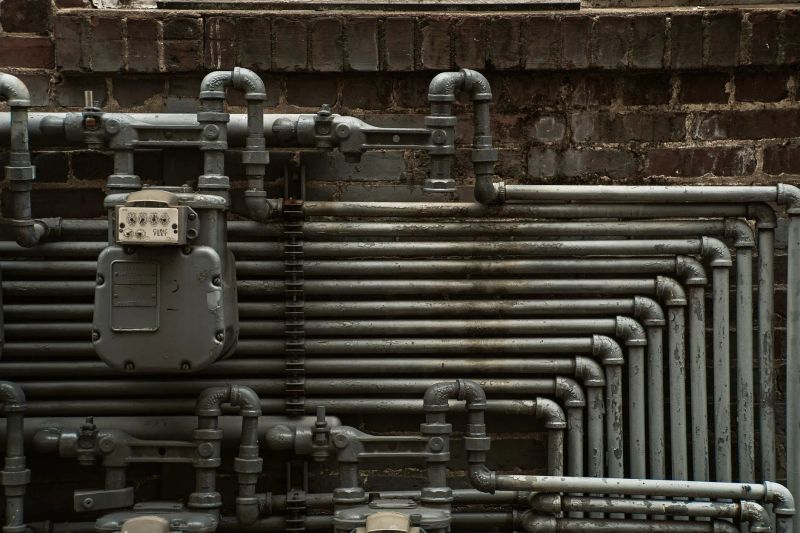
Why Poly-B Becomes More Vulnerable Over Time
Polybutylene pipe was inexpensive and easy to install, so it became common in residential construction across Canada. The pipe itself can degrade internally after years of exposure to treated municipal water. As the material becomes brittle, small flakes or cracks may develop, especially near fittings and connections.
The connection points deserve particular attention. Many Poly-B systems used acetal or plastic fittings, along with copper crimp rings. These components can deteriorate, distort, or loosen over time. A system may pass a quick visual check while still having vulnerable connections inside walls or ceilings.
Calgary’s dry climate, seasonal temperature swings, and cold winters do not make Poly-B failure inevitable, but they do make sound installation and protection important. Pipes routed through unheated areas, exterior walls, garages, or poorly insulated spaces face additional stress from freezing temperatures.
When Should Calgary Homeowners Replace Poly-B?
The safest time to replace Poly-B is before a leak causes damage. We do not recommend waiting for water to appear through a ceiling or cabinet, because a concealed leak can continue for hours before anyone notices. Replacement becomes especially worth planning when the piping is original, the home has had previous leaks, or you are already opening walls for a renovation.
Look for these warning signs:
- Visible grey flexible piping: Check near the water heater, mechanical room, basement ceiling, bathroom vanity, and exposed joists.
- Brown, green, or chalky fittings: Discolouration, corrosion, or a powdery surface around a fitting deserves professional attention.
- Small recurring leaks: A dripping shutoff, damp cabinet, or repaired connection may indicate broader system deterioration rather than an isolated nuisance.
- Changes in water pressure: Pressure changes can have several causes, but they should be investigated when combined with aging Poly-B.
- Wet drywall, staining, or musty odours: These may indicate a concealed leak and should be addressed promptly.
- Planned renovations: Opening walls or ceilings provides an opportunity to replace vulnerable pipe runs with less disruption and lower restoration costs.
A visual inspection cannot reveal every hidden connection, so we also ask about the home’s age, previous plumbing repairs, leak history, and insurance requirements. If you are buying or selling a Calgary property, a Poly-B assessment can help you understand whether replacement should be part of the planning process.
Poly-B Replacement in Calgary: What the Process Involves
A whole-home replacement does not always mean removing every wall or pulling out every existing pipe. The scope depends on accessibility, the layout of your home, and whether Poly-B serves the entire domestic water system or only selected areas. In our 25 years of experience, careful planning is what makes the biggest difference to the finished result.
Our typical process includes:
- Identify the piping: We inspect accessible areas and trace hot and cold water lines to understand where Poly-B is installed.
- Assess connections and risk: We look closely at fittings, transitions, exposed pipe, support, insulation, and previous repairs.
- Build a replacement plan: We discuss routing, access points, fixture locations, shutoffs, water heater connections, and the expected restoration work.
- Isolate the water safely: Before work begins, we protect floors and furnishings and shut down the water system in a controlled manner.
- Install approved replacement piping: The new system is routed to serve fixtures efficiently, with proper supports and protection from freezing or physical damage.
- Test before closing access points: We pressure-test and inspect the work before walls, ceilings, or cabinets are restored.
Depending on the size and accessibility of the home, a replacement may take several days. A basement with exposed ceilings may be relatively straightforward, while a finished multi-level home can require more access and coordination. We explain the likely disruption before work starts rather than treating restoration as an afterthought.
Choosing Replacement Materials and Protecting Your Home
Modern replacement systems are commonly installed with PEX or copper, depending on the application, code requirements, homeowner preferences, and the way the home is laid out. PEX can reduce the number of joints and allow efficient routing through tight spaces. Copper offers a long-established option with a different installation method and feel. The right choice is not simply about selecting the cheapest pipe; it is about designing a reliable system for the specific home.
A proper replacement should also include practical improvements where appropriate:
- Accessible main and branch shutoffs so future repairs can be isolated quickly.
- New fixture shutoffs that operate properly instead of seized or corroded valves.
- Pipe supports and protection to reduce movement, abrasion, and damage around penetrations.
- Insulation in vulnerable areas such as near exterior walls, unheated rooms, and mechanical spaces.
- Pressure verification to identify unusually high household water pressure that can strain fixtures and piping.
- Clear labelling and documentation so the next homeowner or service technician understands the system.
If a replacement is part of a bathroom or kitchen renovation, coordinate the plumbing before drywall, tile, and cabinetry are installed. Our renovation plumbing service can help plan fixture locations, supply lines, drains, and access while the walls are already open.
Calgary Homes, Insurance, and the Cost of Waiting
The cost of Poly-B replacement varies substantially. A small accessible area may be handled as a targeted repair or partial replacement, while a full repipe in a finished home involves access, drywall, painting, cabinetry, and multiple fixtures. We provide a site-specific assessment rather than quoting a one-size-fits-all price from a home’s age alone.
Waiting can make the project more expensive. A planned replacement lets you schedule the work, protect belongings, combine plumbing with a renovation, and arrange restoration in advance. An emergency leak can add damaged flooring, insulation, drywall, trim, cabinetry, mould concerns, and temporary accommodation to the plumbing problem.
Insurance policies differ, and some Calgary homeowners may be asked about Poly-B when renewing or making a claim. We cannot interpret your policy, but we recommend speaking with your insurer before work if coverage requirements are a concern. Keep invoices, photographs, product information, and test documentation after replacement. These records can be useful for future maintenance, resale, and insurance discussions.
BPR Mechanical Ltd serves homeowners throughout Calgary, including Mahogany, Signal Hill, Marda Loop, and the Beltline, as well as the older inner-city communities where Poly-B is often found. We are proud of our 4.9-star rating across 77 Google reviews and focus on clear recommendations, careful workmanship, and reliable plumbing for Calgary homes. You can learn more about our team and approach on our About page.
Replace Before a Small Concern Becomes a Restoration Project
Poly-B replacement is easier to manage when it is planned around your schedule rather than triggered by water pouring through a ceiling. Before we begin, we discuss access, fixture shutdowns, daily water availability, protection of finished areas, and the order of reconnection.
For homeowners in Bridgeland, Kensington, Mahogany, Signal Hill, and other Calgary communities, our team can assess exposed piping and help determine whether monitoring, targeted work, or a broader replacement makes sense. If you see an active leak, turn off the local fixture valve if it works safely and contact a professional promptly. Do not rely on repeated tightening of old fittings as a long-term solution.
Frequently Asked Questions
How can I tell if my Calgary home has Poly-B piping?
Look for flexible grey pipe marked with codes such as PB2110 near the water heater, mechanical room, exposed basement ceiling, or under sinks. Because some piping is concealed, BPR Mechanical Ltd can inspect accessible areas and help determine the likely extent of the system.
Does every Poly-B system need to be replaced immediately?
Not every home with Poly-B has an active failure, but age and hidden fittings make the material worth assessing. We consider leak history, visible condition, accessibility, and your renovation or insurance plans before recommending monitoring, targeted replacement, or a full repipe.
How long does Poly-B replacement take in Calgary?
Accessible partial work may take a day, while a whole-home replacement commonly takes several days depending on the number of fixtures, floors, and finished surfaces. We provide a project-specific schedule after inspecting your home and identifying the required access.
Will my walls and ceilings have to be opened?
Some access is usually required, but the amount depends on the existing layout and how the piping is routed. We plan access points carefully, use existing unfinished areas where possible, and coordinate with restoration or renovation work to avoid unnecessary disruption.
Can BPR Mechanical inspect Poly-B before I buy or renovate a home?
Yes, we can assess accessible piping and discuss the likely replacement scope for a Calgary property. For a renovation, early inspection helps coordinate supply lines, shutoffs, fixture locations, and access before cabinets, tile, or drywall cover the plumbing.