

Protect Your Calgary Basement Before the Snow Melts
When Calgary’s snow starts melting, many homeowners watch their roof, gutters, and sump pump—but overlook the basement floor drain. That drain is an important part of your home’s drainage system, and a blockage or overloaded sewer line can turn ordinary spring thaw into standing water, damaged flooring, and a costly cleanup.
At BPR Mechanical Ltd, we have spent more than 25 years helping homeowners throughout Calgary, AB manage drainage and plumbing problems. Our team regularly works in older areas such as Inglewood, Ramsay, Mission, and Kensington, as well as newer communities including Mahogany. We have earned a 4.9-star rating across 93 Google reviews by focusing on careful diagnosis rather than simply clearing the visible symptom.
The good news is that most basement floor drain backups show warning signs before they become a major emergency. A little preparation before the thaw, combined with the right inspection when drainage is questionable, can significantly reduce the risk.
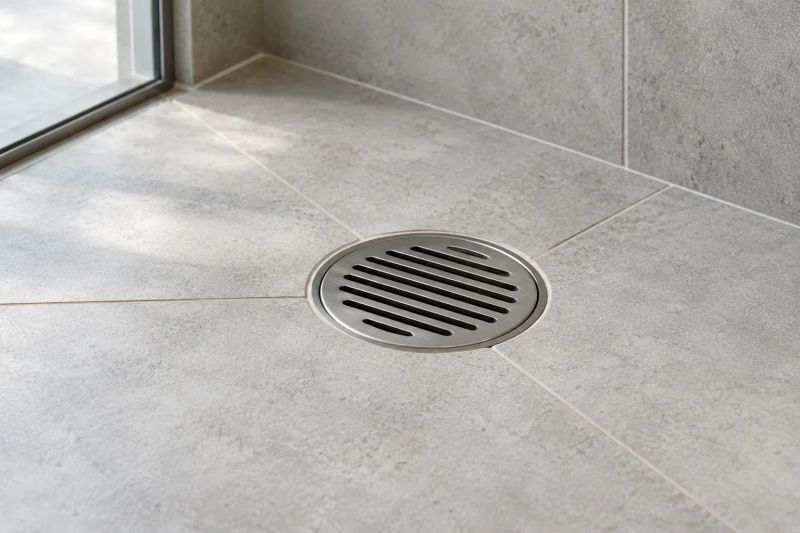
Why Spring Thaw Can Overload a Basement Drain
Calgary’s spring thaw creates a sudden increase in water around foundations, streets, and underground drainage systems. Meltwater can enter municipal infrastructure, private sewer lines, foundation drainage systems, or sump pits at the same time. If your home has a partial blockage, damaged sewer lateral, or undersized sump pump, the extra flow may expose the problem quickly.
A floor drain backup does not always mean the floor drain itself is plugged. The restriction may be farther down the branch drain or in the main sewer line leaving the home. Tree roots, grease, sediment, collapsed sections, and old piping can all limit flow. In some Calgary homes, especially older properties, the drain may also be connected to a shared or aging system that requires more than a basic plunging attempt.
Calgary Spring Thaw Warning Signs to Take Seriously
A basement drain rarely goes from completely normal to overflowing without giving you clues. Before the heaviest melt, check for these signs:
- Gurgling or bubbling: Sounds from a floor drain, toilet, or nearby fixture can indicate trapped air caused by restricted sewer flow.
- Slow drainage: Water that takes longer to disappear after laundry, a shower, or a utility sink may point to a developing blockage.
- Sewer odour: A strong or recurring sewage smell can be caused by a dry trap, but it can also accompany a drainage problem.
- Water rising in the drain: Even a small amount of dirty water appearing in the floor drain after a fixture runs deserves attention.
- Repeated backups: If the drain has backed up before, spring thaw is not the time to assume the issue has resolved itself.
Do not pour chemical drain opener into a basement floor drain as a preventative measure. These products often do not reach the real obstruction, can damage some piping, and create a hazard for anyone who later has to open or clean the line. If you notice recurring symptoms, our drain cleaning service can help identify whether the issue is local to the drain or farther into the building sewer.
A Practical Pre-Thaw Checklist for Calgary Homeowners
The best time to prepare is before the first warm stretch, not after water has entered the basement. We recommend this simple checklist:
- Locate the floor drain and remove the grate. Clear visible hair, lint, dirt, and debris from the opening. Do not reach blindly into the pipe, since sharp edges or contaminated water may be present.
- Check the trap. A floor drain trap can dry out and allow sewer odours into the basement. Slowly add water to the drain if it is dry, unless you already know the line is blocked or backing up.
- Test nearby fixtures. Run a laundry sink, flush a toilet, and operate a basement bathroom fixture while watching the floor drain. If the water level rises or the drain gurgles, stop testing and arrange an inspection.
- Inspect the sump pump. Confirm that the pump turns on, the discharge line is connected, and water is being directed well away from the foundation. A blocked or frozen discharge line can send water back toward the home.
- Check the backwater valve if your home has one. Make sure the access cover is reachable and not buried beneath storage or finished flooring. A qualified plumber should inspect a valve that is stuck, dirty, or difficult to access.
- Keep outdoor drainage moving away from the foundation. Clear snow, ice, leaves, and debris from window wells, downspouts, and grading around the home. This does not replace plumbing work, but it reduces the amount of water reaching the foundation.
Sump Pump and Backwater Valve Protection
A sump pump and a floor drain serve different purposes, but both matter during Calgary’s thaw. The sump pump removes groundwater collected around the foundation, while the floor drain provides a route for water from the basement and connected fixtures. A failed sump pump can cause foundation water to enter the basement, while a sewer restriction can push contaminated water up through the floor drain.
Test your sump pump by adding water to the pit until the float activates. Listen for unusual grinding, verify that the pump discharges water outdoors, and check whether the discharge pipe is leaking at a connection. If your pump runs continuously during thaw or cannot keep up, it may need service, a larger capacity pump, or a battery backup. Our sump pump services include troubleshooting and replacement recommendations based on the home’s drainage conditions.
A backwater valve can help prevent municipal sewer water from flowing backward into the home, but it is not maintenance-free. The flap must move freely and remain free of sediment. In our 25 years of experience, we have seen homeowners assume a backwater valve was protecting them when it was stuck open or inaccessible behind a finished wall. If your basement has experienced a previous backup, ask us whether a camera inspection or valve assessment makes sense.
When to Call a Calgary Plumber Before the Backup
Call before the thaw if you have repeated slow drainage, multiple fixtures backing up, sewage odours that return after adding water to the trap, or a history of basement flooding. These patterns suggest the problem may involve the main building sewer rather than one floor drain.
A professional inspection may include mechanical drain cleaning, a drain camera inspection, or testing of the sump pump and backwater valve. A camera is particularly useful when the line has been cleaned before but the problem keeps returning. It can reveal roots, cracks, offsets, heavy buildup, or a collapsed section that a cable may only temporarily open.
We serve homeowners across Calgary, including Bridgeland, Crescent Heights, Renfrew, Tuxedo Park, Beltline, Marda Loop, Signal Hill, and Mahogany. Our residential plumbing services are designed around the actual condition of the home, whether that means a straightforward cleaning or a more detailed plan for an older sewer line.
If water is already rising from the floor drain, keep people and pets away from the affected area, avoid using plumbing fixtures, and contact a plumber promptly. Sewage-contaminated water should be treated as a health hazard, and electrical equipment near standing water should not be handled.
Do Not Wait for the First Backup
Spring thaw problems are easier to manage when the plumbing system is still accessible and dry. A pre-season check can identify a weak sump pump, a blocked floor drain, or a backwater valve problem before snowmelt puts the system under pressure.
At BPR Mechanical Ltd, we explain what we find and outline practical options. We do not recommend replacing equipment automatically when cleaning or repair is appropriate, but we also do not want homeowners relying on a temporary fix when a damaged sewer line is the real cause. That straightforward approach has helped us build long-term relationships throughout Calgary.
Frequently Asked Questions
Why does my Calgary basement floor drain back up only during spring thaw?
Spring thaw increases groundwater and sewer-system flow, exposing partial blockages, damaged sewer lines, or inadequate sump pump capacity. The floor drain may be the lowest opening where pressure becomes visible, even when the restriction is farther down the main line.
Should I pour drain cleaner into the floor drain before the snow melts?
No. Chemical drain cleaners usually do not solve deeper sewer-line restrictions and can create a serious hazard during professional cleaning. BPR Mechanical Ltd recommends inspection and mechanical cleaning when a drain is slow, gurgling, or backing up.
How can I test my sump pump before Calgary’s spring thaw?
Add water to the sump pit until the float activates, then confirm the pump runs smoothly and discharges water away from the foundation. If it does not start, runs continuously, or the discharge line is frozen or blocked, contact our team before heavy melting begins.
Can a backwater valve stop every basement drain backup?
A properly installed and maintained backwater valve can help prevent municipal sewer water from flowing into the home, but it cannot fix a blocked branch drain or stop groundwater entering through the foundation. We can inspect the valve and determine whether the backup is sewer-related or foundation-related.
Do I need a camera inspection if my drain has been cleaned before?
A camera inspection is worthwhile when backups return, several fixtures drain slowly, or cleaning only provides temporary relief. In Calgary homes with older sewer piping or nearby mature trees, it can show roots, cracks, offsets, and other problems that routine cleaning cannot confirm.