
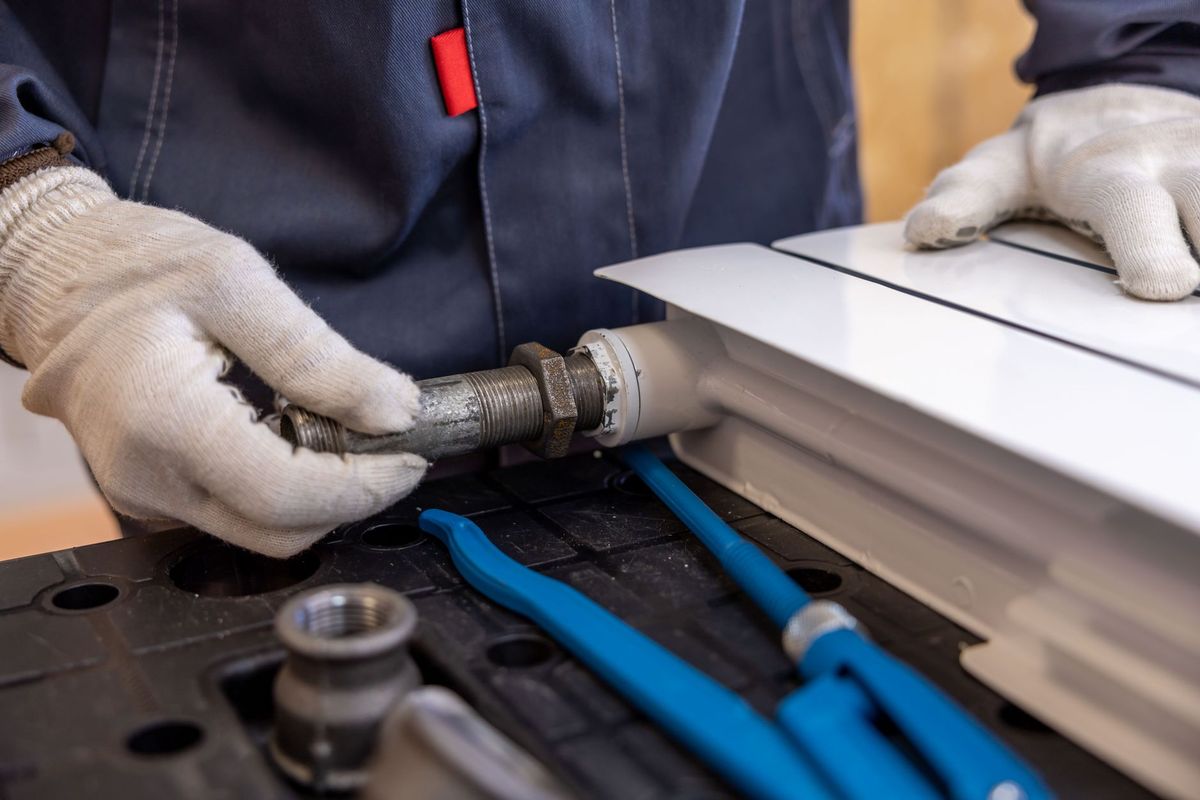
Keep Calgary Winter Outside Your Plumbing
When Calgary temperatures drop well below freezing, a quiet night can turn into a plumbing emergency by morning. A weak stream from a tap, frost around a pipe, or an unusually cold basement wall may be the first sign that water inside your plumbing is starting to freeze.
At BPR Mechanical Ltd, we have spent more than 25 years helping Calgary homeowners protect and repair their plumbing through harsh winters. Our 4.9-star rating across 80 Google reviews reflects the practical, careful service our neighbours expect from us. The best time to prevent frozen pipes is before the next cold snap, not after a split pipe has released water into your walls or basement.
Why Calgary Homes Are Vulnerable to Frozen Pipes
Calgary winters combine very low temperatures with wind, dry air, and sudden changes in weather. Pipes are especially vulnerable where they run through exterior walls, unheated garages, crawl spaces, utility rooms, window wells, or poorly insulated parts of a basement.
Older homes in areas such as Inglewood, Ramsay, Beltline, and Bridgeland may have plumbing routed through spaces that were adequate under older insulation standards but are exposed during a prolonged cold snap. Newer homes can also have problems if air leaks around hose bibs, rim joists, vents, or foundation penetrations allow freezing outdoor air to reach the piping.
Calgary Winter Pipe Prevention Checklist
A few maintenance steps can significantly reduce your risk. Complete this checklist before temperatures fall sharply, then repeat the exterior inspection whenever the forecast calls for an extended deep freeze.
- Disconnect garden hoses: Remove hoses from every outdoor tap. A connected hose can trap water in the faucet and indoor supply line, allowing ice to form inside the wall.
- Shut off and drain exterior faucets: If your home has interior shutoffs for hose bibs, close them and open the outdoor faucet briefly to drain remaining water. Frost-free hose bibs still need proper installation and can freeze if a hose remains attached.
- Insulate exposed piping: Use correctly sized foam pipe insulation on accessible hot and cold water lines in garages, crawl spaces, basements, and utility areas. Seal the ends and joints so cold air cannot move around the insulation.
- Seal cold-air leaks: Check around basement windows, sill plates, rim joists, electrical penetrations, and plumbing openings. Insulation helps, but a strong draft can still freeze a pipe.
- Keep garage doors closed: If water lines pass through an attached garage, keep the overhead door closed as much as possible. Do not rely on a portable heater unattended; it can create a fire hazard.
- Open sink cabinet doors: During the coldest nights, open cabinets below sinks on exterior walls so heated indoor air can circulate around the water lines. Move cleaners and chemicals away from children and pets first.
- Maintain indoor heat: Keep the home at a minimum of about 15°C, including when you leave for a winter trip. Ask someone to check the property regularly rather than turning the heat off.
- Let water move when needed: During an extreme cold snap, a small, steady trickle from a vulnerable faucet can reduce freezing risk. This is not a substitute for insulation or repairs, and it may not be appropriate if your home has a septic system or plumbing issue.
What to Do Before Leaving Your Calgary Home
Vacation properties and homes left empty over a long weekend need extra planning. A thermostat setting alone may not protect plumbing if the furnace fails, a power outage occurs, or one room is isolated from the main heat source.
- Test the furnace and thermostat several days before leaving. Replace a dirty filter and confirm warm air reaches basement and exterior-wall areas.
- Locate the main water shutoff and make sure it turns easily. If you are unsure where it is, label it and show the location to the person checking your home.
- Ask a trusted person to inspect the property during severe weather. They should look for loss of heat, unusual sounds, water staining, or frost on exposed piping.
- Consider shutting off the main water supply if the home will be empty for an extended period. This limits the amount of water available if a pipe breaks, although it does not prevent freezing and should be done with care around boilers, humidifiers, and other water-connected equipment.
- Do not turn the heat completely off. Calgary homes can experience serious damage when interior temperatures fall quickly, even if the weather is only expected to remain cold for a day or two.
For a vacant property in Mahogany, Signal Hill, Kensington, or another Calgary neighbourhood, we can review accessible piping and discuss practical protection measures as part of our residential plumbing service.
How to Recognize a Frozen Pipe Early
A frozen pipe does not always announce itself with a burst. You may notice reduced pressure, no water from one faucet while other fixtures work normally, a toilet tank that will not refill, or a strange bubbling or whistling sound when a tap is opened. Frost or condensation on a pipe is another warning sign.
If you suspect freezing, take these steps:
- Open the affected faucet slightly. This relieves pressure as the ice begins to melt.
- Find the suspected section. Check exposed lines, under-sink piping, basement ceilings, crawl spaces, and areas near exterior walls.
- Warm the pipe gradually. Use a hair dryer, heating pad, or towels soaked in warm water. Keep electrical devices away from standing water and never use a torch, open flame, propane heater, or high-heat gun.
- Stay with the process. As water returns, watch carefully for leaks or a split that was hidden by the ice.
- Call a plumber if the pipe is inaccessible, damaged, or still frozen. A professional can thaw it safely and check for related damage.
In our 25 years of experience, the most dangerous moment is often after the ice starts melting. The pressure created between the blockage and a closed section of pipe can expose a crack quickly. If water begins spraying or pooling, close the main shutoff and contact our emergency plumbing team.
When Insulation Is Not Enough
If a pipe has frozen more than once, adding foam around the visible section may only treat the symptom. The underlying problem could be a missing section of insulation, an air leak, an incorrectly installed hose bib, inadequate heat in a mechanical room, or plumbing routed too close to an exterior surface.
We may recommend rerouting a vulnerable line, improving insulation and air sealing, installing approved heat trace in an appropriate location, or replacing a damaged exterior faucet. Heat cable must be listed for the specific application and installed according to the manufacturer’s instructions; it should never be wrapped over itself or covered with unsafe materials.
Homes with older supply piping also deserve a closer inspection. Repeated freezing can weaken pipe walls and fittings, and certain older materials may be more vulnerable to failure. BPR Mechanical Ltd serves homeowners in Marda Loop, Beltline, Bridgeland, Kensington, and throughout Calgary with practical repairs designed for the actual layout of the home—not a one-size-fits-all winter checklist.
A Small Winter Check Can Prevent a Major Repair
Spend 15 minutes before a cold snap checking hose bibs, exposed pipes, basement windows, and the temperature in normally unused rooms. Look for drafts and water stains, and listen for unusual cycling from the furnace or a water pump.
If you find a pipe that has already split, do not wait for the ice to thaw before arranging help. The damage can become much larger as temperatures rise. Our team can assess the affected line, control the water, and explain whether a focused repair or broader protection plan makes more sense for your Calgary home.
Frequently Asked Questions
What temperature causes pipes to freeze in Calgary?
Pipes can freeze when surrounding areas remain below 0°C, but the risk rises sharply during prolonged temperatures below about -10°C, especially in drafts or unheated spaces. Calgary wind and poor insulation can make a pipe freeze even when the indoor thermostat reads a comfortable temperature.
Should I leave my faucets dripping during a Calgary cold snap?
A small trickle may help a known vulnerable line, but it is not a replacement for insulation, heat, and proper air sealing. BPR Mechanical Ltd recommends addressing the cause of the risk first, and we can advise whether dripping is appropriate for your plumbing system.
Can I use a space heater to stop basement pipes from freezing?
We do not recommend leaving an ordinary portable space heater unattended near plumbing. It can create a fire hazard and may not safely warm the hidden section of pipe; proper insulation, sealed drafts, and approved heating solutions are safer choices.
What should I do if only one faucet has no water?
Open the faucet slightly and check accessible piping for frost, then warm the pipe gradually with a hair dryer or warm towels. If you see a crack, cannot access the frozen section, or water returns with a leak, shut off the water and call BPR Mechanical Ltd for help in Calgary.
How much does frozen pipe prevention cost?
The cost depends on access, pipe length, insulation condition, and whether rerouting or repairs are needed. A simple exposed-pipe insulation job is very different from correcting a concealed exterior-wall line, so we prefer to assess the situation and provide a clear quote before work begins.