
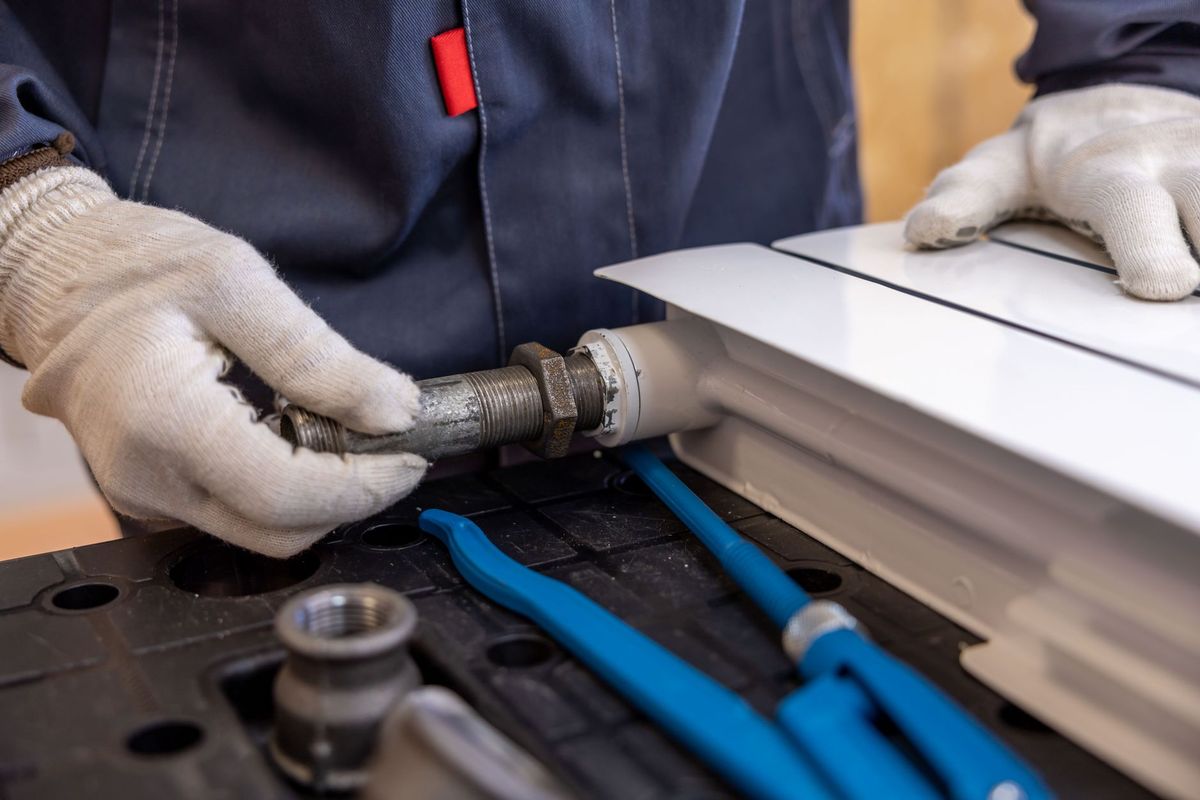
A warmer floor can be a smarter Calgary home upgrade
Cold bathroom tile, chilly basement floors, and uneven temperatures are familiar problems for homeowners in Calgary, AB. When outdoor temperatures drop well below freezing, a forced-air furnace may keep the thermostat satisfied while the floor still feels uncomfortable underfoot. Radiant floor heating approaches the problem differently: it warms the floor and surrounding surfaces first, creating steady comfort from the ground up.
After more than 25 years serving Calgary homeowners, our team at BPR Mechanical Ltd has seen radiant heating used in everything from basement renovations and bathroom upgrades to new custom homes. It is certainly a comfort feature, but it is not automatically the right choice for every property. The practical value depends on your floor construction, heat source, insulation, room use, and how long you plan to stay in the home.
In this guide, we will explain how the systems work, what installation typically involves, where Calgary homeowners get the best return, and which questions to ask before approving a project. Our 4.9-star rating across 72 Google reviews reflects the straightforward advice we aim to provide, whether radiant heating is the right fit or not.
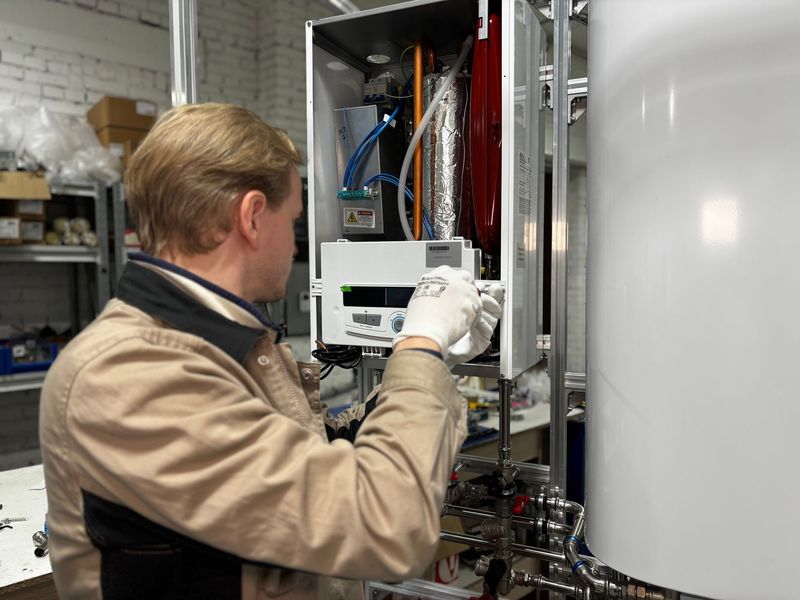
What radiant floor heating actually does
Radiant floor heating transfers heat through tubing or electric heating elements beneath the finished floor. Hydronic systems circulate warm water through flexible tubing, usually supplied by a boiler or another hot-water heat source. Electric systems use resistance cables or mats and are most commonly installed in smaller areas such as bathrooms.
Unlike a conventional furnace, radiant heating does not rely on a strong stream of air to move warmth around a room. The floor becomes a large, low-temperature heat emitter. That can reduce drafts, limit the hot-and-cold cycle many people notice with forced air, and make a basement or bathroom feel comfortable at a lower air temperature.
The installation method matters. Hydronic tubing can be embedded in a new concrete slab, installed over a subfloor using low-profile panels, or fitted between floor joists from below. Each approach has different costs, floor-height considerations, response times, and compatibility requirements.
Radiant floor heating in Calgary: where it makes practical sense
The strongest case is usually a room where comfort is difficult to achieve with the existing system. Bathrooms, basement living areas, kitchens, mudrooms, and additions often benefit most. Tile and stone conduct heat particularly well, which is why a heated bathroom floor can feel noticeably better during a Calgary winter.
Hydronic radiant heating can also be practical in a new build or major renovation because tubing can be planned before the floor is closed. In a basement renovation, we can evaluate insulation, slab height, floor coverings, boiler capacity, and zoning together rather than treating the heating system as an afterthought.
Radiant heating is more likely to be a good investment when:
- You are already replacing flooring or pouring a new slab.
- The room has cold floors or uncomfortable temperature swings.
- You want independent temperature control for a basement, bathroom, or addition.
- The home has good insulation and air sealing.
- You expect to stay in the property long enough to enjoy the comfort benefits.
- Your existing boiler or mechanical system has suitable capacity, or you are planning a new heat source.
A small electric system may be the sensible option for a single bathroom. A whole-home hydronic design requires a much more detailed assessment. We cover system planning and installation through our radiant floor heating services, including practical discussions about floor buildup, controls, and heat-source compatibility.
Calgary installation options: new construction versus retrofit
New construction provides the most flexibility. Hydronic tubing can be installed in a concrete slab or within a properly designed floor assembly, with insulation placed below the heated area so warmth moves upward instead of being lost into the ground. The system can then be divided into zones, allowing a homeowner to heat a bathroom differently from a basement family room.
Retrofits are still possible, but the correct method depends on access. If the ceiling below is open, tubing may be installed between joists. If the existing floor is being removed, low-profile panels can often be installed above the subfloor. Electric mats may be faster for a small bathroom renovation, although electrical capacity and operating cost should be reviewed before choosing them.
Expect the work to take anywhere from one to several days for a small electric bathroom installation, depending on subfloor preparation and flooring schedules. A hydronic retrofit or multi-zone project can take several days to a few weeks when demolition, manifold installation, controls, boiler work, and floor finishing are included. We coordinate the mechanical portion with the renovation plan rather than promising a one-size-fits-all timeline.
What does radiant floor heating cost in Calgary?
Pricing varies widely because the floor assembly and heat source matter more than the square footage alone. A small electric bathroom floor may cost roughly $1,500 to $4,000 for heating materials and installation, before major flooring changes. A hydronic area can commonly range from $5,000 to $15,000 or more, depending on access, number of zones, insulation, manifolds, controls, and whether a boiler or other heat source must be upgraded.
Whole-home systems can reach well beyond those figures, particularly when they involve a new boiler, extensive piping, multiple manifolds, slab work, or a custom control package. These are planning ranges, not a quote. The most useful estimate comes after we inspect the floor construction and calculate the room’s heat demand.
Operating costs also depend on the energy source. Hydronic systems may be efficient because they deliver steady, lower-temperature heat and can work well with high-efficiency boilers. Electric radiant heat is simple and effective, but electricity rates and the size of the heated area affect ongoing costs. Improving insulation and air sealing often delivers better value than installing more heating capacity in a poorly performing room.
Is radiant floor heating efficient and easy to maintain?
Radiant heating is not automatically efficient just because it is radiant. Efficiency comes from good design: correctly sized heat emitters, insulated floors, suitable water temperatures, balanced zones, reliable controls, and a properly matched heat source. In our 25 years of experience, the most disappointing systems are usually not failures of the concept; they are systems installed without enough attention to floor losses, controls, or the future floor covering.
Maintenance is generally manageable. Hydronic systems should be checked for leaks, pressure, air in the lines, pump operation, expansion equipment, and boiler performance. Electric mats have few moving parts, but testing should be completed before the floor is covered so any issue can be addressed while access remains available.
Homeowners should also understand that radiant floors respond more slowly than forced air. That is often an advantage for steady comfort, but it means large thermostat setbacks can be counterproductive. A programmable or smart control should be configured around the system’s thermal mass rather than treated like a furnace thermostat.
For a practical installation, we recommend:
- Confirming insulation levels and calculating the room’s heat loss.
- Choosing hydronic or electric heating based on the area, floor assembly, and available heat source.
- Selecting compatible flooring; tile, stone, engineered wood, and some laminates generally perform well when manufacturer limits are followed.
- Planning sensor locations, manifolds, access panels, and zone controls before construction begins.
- Pressure-testing hydronic tubing and testing electric elements before the finished floor is installed.
- Photographing and documenting tubing locations before the floor is closed, which helps with future renovations.
We serve homeowners in Inglewood, Ramsay, Marda Loop, Beltline, Bridgeland, Kensington, Signal Hill, and Mahogany. Calgary homes in these areas can have very different construction styles, from older central-city properties to newer slab-on-grade builds, so an on-site assessment is important.
Comfort is valuable—but design determines the return
The best radiant floor systems disappear into daily life. You notice that the bathroom tile is no longer painfully cold, the basement is more usable, and rooms stay more even without constant thermostat adjustments. You should not notice noisy pumps, unexplained temperature swings, or a floor that takes all day to warm because the system was poorly matched to the space.
Before work begins, we review the heat source, floor covering, insulation, available electrical or boiler capacity, control strategy, and access for future service. We also explain realistic warm-up times and operating expectations. That planning is what turns radiant heating from an expensive feature into a considered home improvement.
Frequently Asked Questions
Is radiant floor heating worth it for one bathroom in Calgary?
Often, yes. An electric system can provide noticeable comfort in a bathroom without the cost and complexity of heating the entire home, especially when the floor is already being replaced. We will check the subfloor, electrical requirements, floor covering, and control location before recommending it.
Can radiant floor heating be installed in an older Calgary home?
Yes, but the installation method depends on floor access and construction. Older homes in areas such as Inglewood, Ramsay, and Beltline may need low-profile panels, joist-access tubing, or a smaller electric system rather than a new concrete-slab installation.
Will radiant heating replace my furnace?
It can sometimes provide the primary heat in a properly designed hydronic home, but it is not automatically a furnace replacement. We assess heat loss, available boiler capacity, ventilation, domestic hot water needs, and backup requirements before making that recommendation.
How long does radiant floor heating take to warm up?
Response time depends on the floor mass, insulation, tubing layout, and control settings. Electric bathroom floors may feel warm within an hour or two, while tubing in a thick concrete slab can take longer; steady-temperature operation is usually better than frequent large setbacks in Calgary.
Does BPR Mechanical Ltd provide radiant floor heating estimates?
Yes. Our Calgary team can review the room, floor assembly, heat source, and renovation schedule before outlining practical options. Contact us for a project discussion, and ask about our current licensing and credential details when arranging service.