
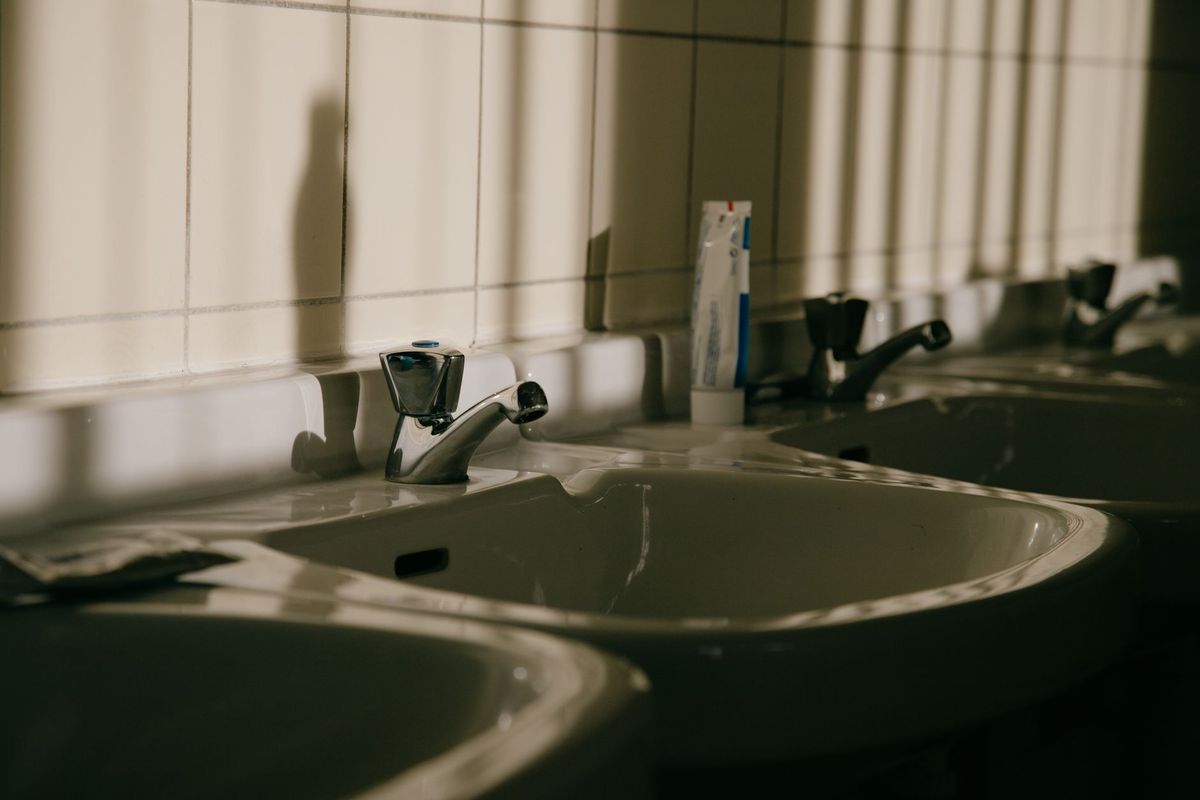
A Slow Sink Drain Is Usually an Early Warning
A sink that takes longer to drain, leaves standing water, or makes a bubbling sound can be easy to ignore. In Calgary, AB homes, however, a slow drain often gives you advance notice that grease, soap residue, food particles, hair, or mineral buildup is narrowing the pipe. Waiting until the sink stops draining completely can turn a simple cleaning into a more disruptive plumbing repair.
At BPR Mechanical Ltd, we have spent more than 25 years helping homeowners solve drain problems throughout Calgary. We have worked in older homes in Inglewood, Ramsay, Mission, and Crescent Heights, as well as newer properties in Mahogany and Signal Hill. Our team has earned a 4.9-star rating across 88 Google reviews because we focus on identifying the cause of the blockage, not simply forcing water through it temporarily.
This guide explains what you can safely try, which popular methods can damage your plumbing, and when professional drain cleaning in Calgary is the better option.
Why Calgary Sink Drains Clog
Kitchen and bathroom sinks usually develop different types of blockages. Kitchen drains commonly collect cooking grease, coffee grounds, food scraps, flour, and soap. Even when these materials go down as liquid, they can cool and stick to the inside of the drainpipe. Over time, the opening becomes smaller and water moves more slowly.
Bathroom sinks are more likely to collect hair, toothpaste, shaving products, skin oils, and soap scum. A bathroom pop-up stopper can act like a screen, trapping debris directly below the basin. In older Calgary plumbing systems, a partial blockage may also combine with scale, corroded pipe interiors, or poorly sloped sections of drainpipe.
The location of the blockage matters. If only one sink is slow, the obstruction may be in the stopper, trap, or short branch line. If multiple fixtures drain slowly, the problem may be farther into the shared drain system and should be assessed professionally.
Calgary Sink Drain Cleaning: Safe Steps to Try First
If the sink is draining slowly but is not completely blocked, you can start with a few low-risk steps. These methods are appropriate for routine buildup, but stop if water backs up rapidly, a pipe leaks, or another fixture begins to overflow.
- Remove visible debris. Take out the stopper or drain screen and clean away hair, food particles, and sludge. For a bathroom sink, use a small plastic drain tool rather than pushing material deeper into the pipe.
- Clean the stopper and overflow area. A pop-up stopper can collect a surprising amount of residue. Wash it with hot water and dish soap, and wipe the opening beneath the stopper before reinstalling it.
- Try hot tap water and dish soap. For a greasy kitchen drain, add a small amount of dish soap and run very hot tap water for several minutes. Avoid pouring boiling water into older plastic piping or a sink with vulnerable seals; sudden heat can soften fittings or stress connections.
- Use a sink plunger correctly. Cover the overflow opening with a damp cloth, add enough water to cover the plunger cup, and use firm, controlled strokes. If the sink has two basins, seal the second drain so pressure is directed toward the blockage.
- Check the P-trap only if you are comfortable. Place a bucket beneath the trap, loosen the connections carefully, and clean out the debris. Do not force fittings that are corroded, brittle, or difficult to access. Reassemble the trap evenly and check for leaks before using the sink normally.
What Not to Pour Down a Sink Drain
Chemical drain cleaners can appear convenient, but they are not always a good solution. They may fail to reach a blockage, sit in a trap, damage older pipe materials, or create a hazardous splash when a plumber later opens the line. Mixing different products, or mixing a drain cleaner with bleach or another household chemical, can produce dangerous fumes.
We also recommend avoiding homemade combinations that create pressure or heat inside an enclosed drain. Baking soda and vinegar may help with light odour, but they are not a dependable treatment for a compacted grease blockage or a clog deeper in the branch line. Coffee grounds, rice, pasta, eggshells, flour, and fibrous vegetable scraps should not go down a kitchen sink, even with a garbage disposal.
For prevention, scrape plates into the garbage or compost, wipe greasy pans with a paper towel before washing, use a properly fitted drain strainer, and run cool water while using a disposal. In bathroom sinks, clean the stopper regularly and remove hair before it enters the drain.
When DIY Cleaning Is Not Enough
A plunger may restore flow briefly while leaving most of the obstruction in place. Call a professional when the sink repeatedly slows down, the blockage returns within days, or plunging causes water to move into another basin. Gurgling, sewer odours, or water rising in a nearby tub can indicate that the issue is farther along the drainage system.
In our 25 years of experience, recurring sink clogs are often caused by a combination of grease and pipe buildup rather than one isolated object. Our technicians can select an appropriate method, such as a mechanical auger or other professional drain-cleaning equipment, based on the pipe layout and the type of blockage. When the location is uncertain, a drain camera inspection can help avoid unnecessary excavation or guesswork.
Most straightforward sink drain cleanings can take roughly 30 to 90 minutes, depending on access and how far the obstruction has travelled. Pricing varies with the work required, so we explain the recommended approach before proceeding. If a trap, fitting, or branch line is damaged, cleaning alone may not provide a lasting solution.
Sink Drain Problems in Calgary Homes We Serve
Drain behaviour can vary by property age and plumbing design. In older homes around Ramsay, Inglewood, Tuxedo Park, and Mount Pleasant, we may encounter aging traps, narrow piping, or previous repairs that affect access. In condo buildings in Beltline, Downtown Calgary, Chinatown, and Eau Claire, a sink problem may involve a shared branch line, so building access and coordination can matter.
We also serve homeowners in Bridgeland, Kensington, Renfrew, Winston Heights-Mountview, Highland Park, Capitol Hill, Banff Trail, Marda Loop, Signal Hill, and Mahogany. Whether the issue is a kitchen sink that backs up after washing dishes or a bathroom basin that drains slowly every morning, our goal is to restore reliable flow while explaining how to reduce the chance of another blockage.
For broader residential plumbing concerns, you can review our residential plumbing services or contact our team for advice specific to your fixtures and home.
A Clean Drain Should Stay Clean
After clearing a sink drain, pay attention to how it behaves over the next few weeks. Water should leave the basin steadily without bubbling, odour, or pooling around the stopper. If a drain remains slow after cleaning, the problem may be deeper than the visible fixture.
We take care to protect cabinets and flooring, test the sink after service, and check accessible connections for leaks. BPR Mechanical Ltd follows applicable Alberta plumbing requirements and maintains the required trade credentials and insurance for our work. Homeowners who want to confirm current licence and insurance details are welcome to request them when booking.
Frequently Asked Questions
Can I use a chemical drain cleaner for my clogged sink?
We generally recommend trying physical removal, careful plunging, or calling a plumber instead of using harsh chemical cleaners. Products left in the pipe can damage some plumbing materials and create a safety hazard for our technician if the blockage remains.
How long does professional sink drain cleaning take in Calgary?
A straightforward sink clog often takes approximately 30 to 90 minutes, although access, the location of the blockage, and the condition of the piping can change the timeframe. BPR Mechanical Ltd explains the recommended work before starting and tests the fixture afterward.
Why does my sink keep clogging after I clean it?
A recurring clog may be caused by grease-coated pipe walls, a partially obstructed branch line, a damaged fitting, or a deeper drainage issue. Our team can assess the pattern and use professional equipment or a camera inspection when basic cleaning has not provided lasting results.
Do you clean kitchen and bathroom sink drains?
Yes. We clean both kitchen and bathroom sink drains across Calgary, including homes and condos in Mission, Beltline, Bridgeland, Kensington, Mahogany, Signal Hill, and surrounding neighbourhoods. We adjust the approach based on whether the blockage involves grease, hair, soap buildup, or a deeper line.
What should I do if my sink is completely blocked?
Stop running water and avoid adding chemical drain cleaner. Remove standing water only if it can be done safely, check whether another fixture is backing up, and contact BPR Mechanical Ltd for professional drain cleaning—especially if there is an odour, overflow, or water damage risk.