
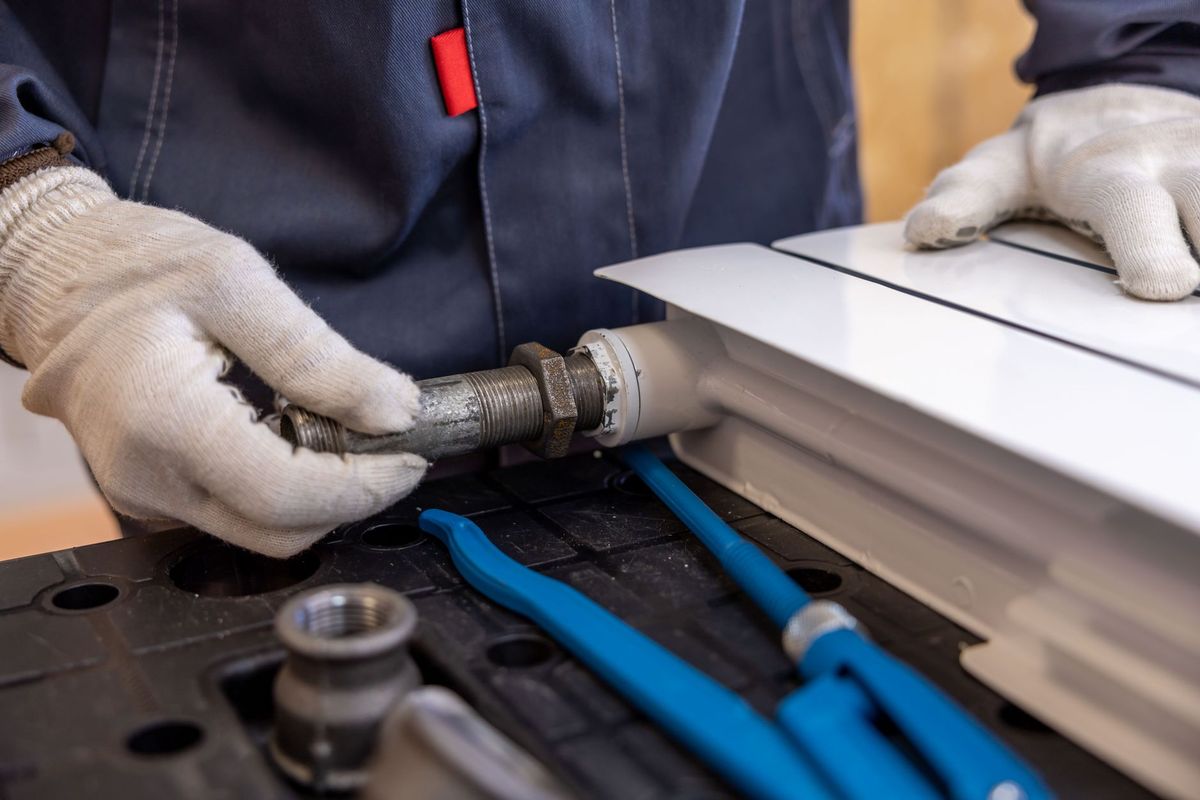
Stop Waiting for Hot Water at the Tap
If you turn on the bathroom faucet in your Calgary, AB home and wait 30 seconds, 60 seconds, or longer for hot water, you are not alone. Long pipe runs, basement-mounted water heaters, large homes, and low-use bathrooms can all create a frustrating delay. In the meantime, clean drinking water is running straight down the drain.
A hot water recirculation system keeps hot water moving through the plumbing so it is available closer to the fixture. Depending on your home’s layout, we may install a dedicated return line, use a crossover valve at a distant fixture, or add a demand-controlled pump that runs only when needed.
At BPR Mechanical Ltd, we have spent more than 25 years working on residential plumbing systems throughout Calgary, including Inglewood, Ramsay, Marda Loop, Beltline, Bridgeland, Kensington, Signal Hill, and Mahogany. Our team looks at the existing piping, water heater, controls, and insulation before recommending a solution—not simply installing a pump and hoping it solves the delay.
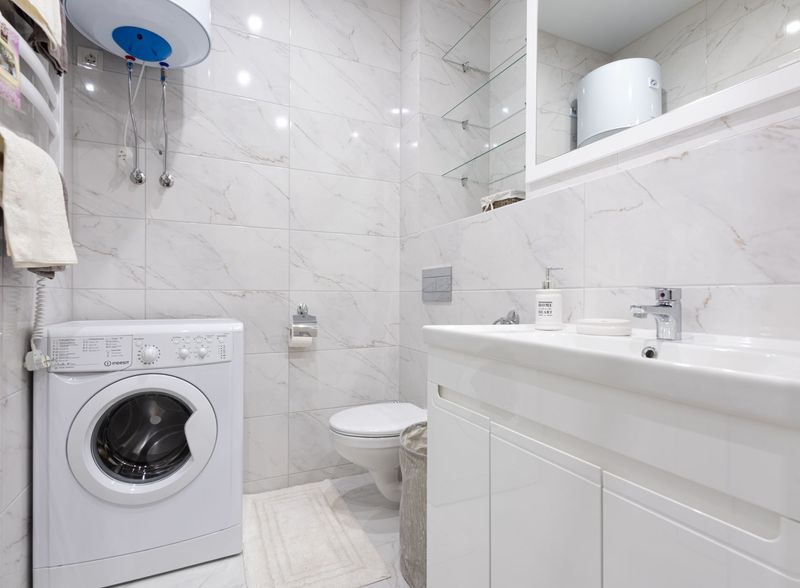
Retrofitting Recirculation Without Opening Every Wall
Many homeowners assume recirculation can only be installed during new construction. That is not the case. In an existing house, we can often connect a pump near the water heater and use accessible basement or mechanical-room piping. Where a dedicated return line is not practical, a thermostatic crossover valve under a distant sink can send cooled water back through the cold-water line until the fixture reaches the desired temperature.
The best approach depends on the home. A Calgary bungalow with an unfinished basement may allow straightforward pipe access, while a finished two-storey home in Bridgeland or Kensington may benefit from a demand-controlled crossover setup. We also check whether the existing water heater has the capacity and connections needed for the proposed system.
How Hot Water Recirculation Works in a Calgary Home
A standard domestic hot water system sends heated water from the water heater through the hot-water supply pipes. When a tap is closed, the water sitting in those pipes cools. The next time you open the tap, that cooled water must leave the line before hot water arrives.
A recirculation system reduces that wait by creating a controlled path back to the heater. A small pump moves water through the loop, and a check valve keeps the flow going in the correct direction. The system may operate continuously, on a timer, when a temperature sensor calls for heat, or when a homeowner activates it before using the fixture.
The distinction between continuous recirculation and on-demand recirculation matters. Continuous systems provide excellent availability but can use more electricity and add heat loss through the pipes. Demand-controlled systems generally save energy because the pump runs only when someone needs hot water. For many existing Calgary homes, demand control is the more balanced retrofit.
Water Recirculation Options for Existing Calgary Houses
We commonly evaluate three retrofit approaches:
- Dedicated return-line system: A separate return pipe carries cooled hot water back to the heater. This is the most predictable design and is often suitable when basement ceilings are open or plumbing is accessible.
- Crossover valve system: A thermostatic valve at the farthest fixture allows cooled water to return through the cold-water pipe until hot water reaches the valve. This avoids installing a new return line, but the cold line can briefly feel warmer during operation.
- Demand-controlled system: A push button, motion sensor, temperature sensor, or smart control activates the pump only when hot water is wanted. This can be a strong choice for finished homes where minimizing pipe alterations is important.
The farthest fixture is not always the one with the longest wait. Pipe diameter, insulation, routing, and partially closed valves all affect delivery time. We test the system at multiple fixtures before deciding where the return or crossover point should be installed.
Calgary Plumbing Considerations Before Installation
Calgary’s cold climate makes pipe insulation especially important. A recirculation pump cannot compensate for excessive heat loss in an uninsulated basement, crawlspace, garage, or exterior wall. We inspect accessible hot-water piping and recommend insulation where it will improve performance and reduce unnecessary cycling.
We also check the water heater’s condition, temperature setting, expansion-control components, shutoff valves, and existing mixing valves. If the heater is already struggling with sediment, a failing dip tube, or inadequate recovery, recirculation may make the symptoms more noticeable. In that situation, water heater repair and installation may need to come before or alongside the retrofit.
In homes with older galvanized or corroded copper piping, adding flow and new connections can expose weak points. Our team identifies those risks before work begins and explains whether a localized repair, valve replacement, or larger plumbing upgrade is sensible. We follow applicable Calgary plumbing requirements and arrange the appropriate permit process when the scope requires it.
Installation Steps, Costs, and Expected Results
A typical assessment takes about 30 to 60 minutes, depending on access and the number of fixtures involved. Installation may take several hours for a straightforward pump and crossover valve, while a dedicated return line can take longer if piping must be opened, rerouted, or repaired.
A practical retrofit often falls somewhere between $900 and $2,500, while a more involved dedicated return-line installation can cost more. The final price depends on pump type, access, pipe length, electrical requirements, controls, insulation, and whether valves or the water heater need attention. We provide a clear scope before starting rather than treating every home as the same project.
The process usually looks like this:
- We identify the fixtures with the longest wait and measure approximate delivery time.
- We inspect the water heater, hot and cold piping, valves, pipe insulation, and available access.
- We determine whether a dedicated return line, crossover valve, or demand-controlled design is appropriate.
- We install the pump, check valve, controls, and required connections, then test for leaks and correct flow direction.
- We adjust the control temperature and operating schedule so the system delivers convenience without running unnecessarily.
A properly designed system should noticeably reduce the wait, but it does not create unlimited hot water. If several showers, appliances, or fixtures are used at once, the water heater’s recovery capacity still determines how much hot water is available.
Convenience Without Wasting Water
The biggest benefit is often at a remote bathroom or kitchen where the wait has become part of the daily routine. Families use less water waiting for temperature, and the hot tap becomes more practical for early mornings, guest areas, and ensuite bathrooms.
A recirculation upgrade is not automatically right for every house. If the fixture is only a few feet from the water heater, the payback may be limited. We help homeowners compare the installation cost, expected water savings, energy use, and comfort improvement so the decision makes sense for the property—not just the equipment.
Frequently Asked Questions
Can you install hot water recirculation in my existing Calgary home?
Usually, yes. BPR Mechanical Ltd evaluates the water heater, pipe layout, fixture locations, and access to determine whether a dedicated return line or crossover valve is the better retrofit. Finished homes in areas such as Beltline and Mahogany may benefit from a demand-controlled design that limits alterations.
Will a recirculation pump make my water heater work harder?
It can increase heat demand if the system runs continuously, especially when pipes are poorly insulated. We generally look at timers, temperature controls, and on-demand activation to reduce unnecessary cycling while still improving hot water availability.
How much water can a recirculation system save?
Savings depend on the pipe length, fixture use, and how often the household waits for hot water. A home with a distant bathroom may save many litres per use, but we explain that the main benefits are reduced waste and improved convenience rather than promising a fixed dollar amount.
Does a crossover valve affect my cold water?
It can briefly warm the cold-water line near the crossover valve while the system is bringing hot water to the fixture. Proper valve selection and temperature adjustment help limit that effect, and we test nearby fixtures before completing the installation.
How do I know whether my water heater is suitable?
We check the heater’s age, capacity, condition, connections, temperature control, and recovery performance. If the unit is leaking, heavily scaled, or near the end of its service life, our [residential plumbing](/services/residential-plumbing-calgary) team can discuss repair or replacement before adding recirculation.