
Know the Signs Before Your Hot Water Runs Out
A hot water tank rarely chooses a convenient time to fail. In Calgary, AB, a tank may start leaking on a weekend, stop producing enough hot water during a family shower, or release rusty water just when you are getting ready for work. The question is not always whether the tank will eventually need replacement, but whether you can identify the warning signs early enough to avoid water damage and an emergency decision.
At BPR Mechanical Ltd, we have spent more than 25 years helping homeowners with water heaters, plumbing repairs, and installations throughout Calgary. Our team has worked in older homes in Inglewood, Ramsay, Beltline, and Kensington, as well as newer properties in Mahogany and Signal Hill. With a 4.9-star rating across 80 Google reviews, we focus on explaining what we find so you can make a practical choice—not replacing equipment before it is necessary.
A conventional tank can sometimes be repaired, but age, corrosion, repeated failures, and a leaking tank often point toward replacement. This guide will help you understand the difference and prepare for a professional assessment.
A Small Leak Can Become a Major Calgary Plumbing Problem
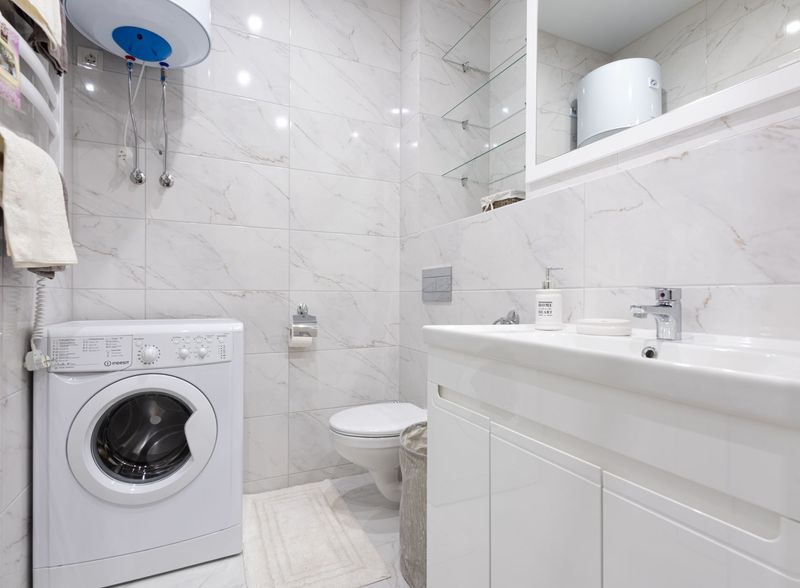
The most important warning sign is water around the base of the tank. A little moisture may come from a loose connection, the temperature and pressure relief valve, or condensation, and those issues can sometimes be repaired. However, if the steel tank itself is corroded and leaking, the inner lining has failed and the tank generally cannot be repaired safely.
Calgary basements often contain finished flooring, storage, furnaces, and electrical equipment close to the water heater. A failed tank can release dozens of gallons of water before someone notices. If you see active leaking, turn off the water supply to the tank if it is safe to do so, avoid touching wet electrical equipment, and arrange professional service promptly. Our water heater repair and installation service can determine whether the issue is a repairable component or a failing tank.
1. Your Calgary Hot Water Tank Is Reaching the End of Its Life
Most conventional storage-tank water heaters last approximately 8 to 12 years, although water quality, installation conditions, maintenance, and household demand can shorten or extend that range. The manufacture date is usually printed on the serial number label near the top of the tank. If the tank is approaching or beyond 10 years old, replacement planning is sensible even if it still works today.
Age alone does not mean an immediate replacement is required. It does mean you should consider the risk of a sudden failure, compare replacement options, and avoid waiting until you have no hot water. A planned installation gives you time to choose the correct tank size, confirm venting and gas requirements, and protect finished areas around the equipment.
In our 25 years of experience, older tanks often become less economical to repair because several components may be deteriorating at once. A new thermostat or gas control valve may restore operation temporarily, but if the tank is already corroded, the repair does not remove the risk of a tank rupture or leak.
2. The Water Is Rusty, Cloudy, or Full of Sediment
Discoloured hot water can indicate corrosion inside the tank or deterioration of the sacrificial anode rod. A brief burst of rusty water after plumbing work may be harmless, but recurring rusty water from the hot taps deserves attention. It should not be dismissed as a cosmetic issue when it is accompanied by an aging tank, metallic odour, or sediment.
A rumbling, popping, or crackling sound is another common warning. Calgary water contains minerals that can settle at the bottom of a tank. When the burner heats water through that sediment layer, trapped water can turn to steam and create the noise. Flushing may help in some cases, but heavy buildup can reduce efficiency, stress the tank, and make aggressive flushing unsuitable for an older unit.
Call for an assessment if you notice any of these signs:
- Rust-coloured hot water that continues after the cold water runs clear.
- Popping or rumbling noises during heating.
- Visible rust around the tank fittings, bottom seam, or drain valve.
- Sediment collecting in faucet aerators or showerheads.
- A metallic smell or unusual taste from hot water.
3. The Tank No Longer Keeps Up With Your Household
Running out of hot water more quickly can mean the tank is undersized, the heating element or burner is failing, or sediment has reduced usable capacity. For example, if two people could previously shower comfortably but the water now turns lukewarm after one shower, the problem should be investigated rather than automatically blamed on increased usage.
Temperature fluctuations can also come from a failing thermostat, dip tube, mixing valve, or burner assembly. These components may be repairable. A professional should test the system and check the tank’s age before recommending replacement.
When replacement is appropriate, we size the new tank around the home’s actual demand. A household with a deep soaker tub, multiple bathrooms, teenagers, or frequent guests may need a different capacity than a one-bedroom condo in the Beltline. Oversizing can increase standby losses, while undersizing leads to continued cold showers.
4. How to Decide Between Repair and Replacement
Use this simple decision process before booking service:
- Check the age. Find the serial number and estimate the tank’s installation date. A unit near the end of its expected service life deserves a replacement discussion.
- Identify where the water is coming from. Water at a connection, drain valve, or relief valve may be repairable. Water from the tank body or bottom seam usually means replacement.
- Consider the repair history. One inexpensive component repair may be reasonable. Repeated service calls, multiple failed parts, or ongoing performance problems can make replacement the better value.
- Assess the consequences of failure. A tank located beside finished flooring or valuable storage may justify proactive replacement before a leak causes damage.
- Compare the complete cost. A professional quote should include the tank, removal, installation, required fittings, venting or gas connections where applicable, disposal, permits when required, and testing—not just the equipment price.
Typical Calgary replacement pricing varies widely by tank size, fuel type, venting, accessibility, code requirements, and installation complexity. A straightforward conventional replacement may often fall in the approximate $1,500 to $3,500 range, but older homes, tight mechanical rooms, power-vented units, or upgrades can cost more. We provide a clear assessment rather than relying on a one-size-fits-all number.
Calgary Homeowners Should Plan for Winter and Older Plumbing
A water heater failure is inconvenient at any time, but it is especially disruptive during a Calgary cold snap when service demand rises and homes are already working hard to stay warm. Homeowners in older neighbourhoods such as Inglewood, Ramsay, and Bridgeland may also encounter aging shutoff valves, outdated venting, restricted access, or previous plumbing modifications that affect the installation.
Before replacement day, clear a path to the mechanical room and remove stored items near the tank. If you are planning a renovation, tell your plumber about future bathroom fixtures, a larger tub, or a basement suite so the water-heating plan matches the home’s long-term needs. Our broader residential plumbing services cover related plumbing concerns, and we can explain whether a standard tank or a tankless water heater is suitable for your property.
For licensing and insurance details, ask our team when requesting your written estimate. We are happy to provide the current documentation rather than asking homeowners to rely on an outdated number copied from an online article.
Replacement Is Easier When You Plan It
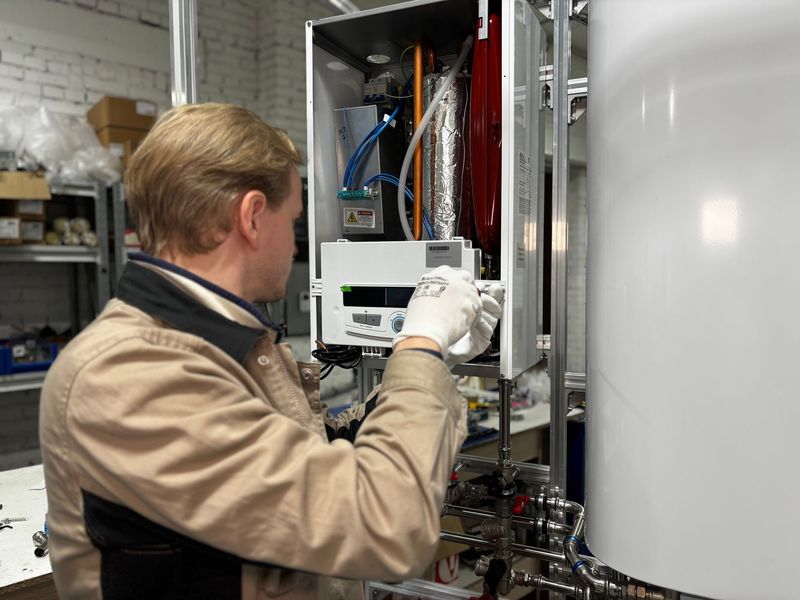
A planned water heater replacement usually takes a few hours for a straightforward tank-for-tank installation, although access, venting, gas work, shutoff valves, permits, and code corrections can extend the visit. Before we begin, our team confirms the tank size, fuel type, connections, drainage, temperature settings, and safe operation.
After installation, we test for leaks, verify the relief valve and discharge piping, check combustion and venting where applicable, and explain the controls. Keep the manufacturer’s documentation and note the installation date; that information helps with future maintenance and warranty questions. If your tank is already showing warning signs, contact BPR Mechanical Ltd before a small concern becomes a flooded basement.
Frequently Asked Questions
How long should my hot water tank last in Calgary?
A conventional tank commonly lasts about 8 to 12 years, but mineral buildup, water quality, maintenance, and installation conditions affect its life. If your tank is around 10 years old and showing rust, leaks, noise, or reduced capacity, BPR Mechanical Ltd recommends planning an assessment rather than waiting for failure.
Can a leaking hot water tank be repaired?
A leak from a fitting, drain valve, or relief valve may be repairable, but a leak from the tank body or bottom seam generally means the steel vessel has failed and the tank must be replaced. In Calgary homes, we also consider the risk to finished basements and nearby equipment before recommending a repair.
How much does it cost to replace a hot water tank in Calgary?
A straightforward conventional replacement may commonly be approximately $1,500 to $3,500, but the final price depends on capacity, venting, fuel type, access, shutoff valves, permits, and code requirements. BPR Mechanical Ltd provides a site-specific quote so you know what is included before work begins.
Should I replace my tank before it starts leaking?
Proactive replacement can make sense when the tank is near the end of its expected life, has repeated component failures, or is installed near valuable finished areas. Planning ahead also gives homeowners in neighbourhoods such as Mahogany, Signal Hill, and Kensington more control over timing and equipment selection.
Is a tankless water heater better than a traditional tank?
Tankless systems can provide continuous hot water and save space, but they require suitable gas capacity or electrical service, proper venting, and regular maintenance. We assess household demand, installation conditions, and budget before advising whether tankless or a new conventional tank is the better fit.