
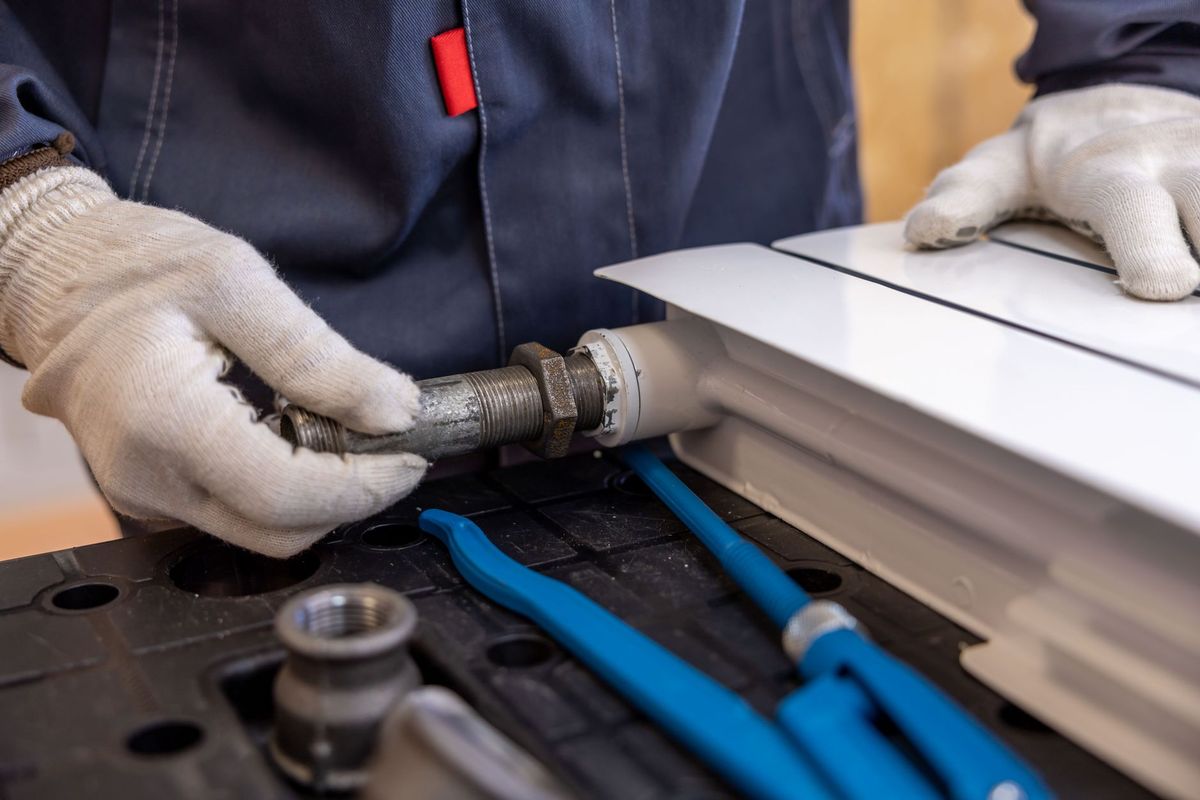
Why Calgary Homeowners Notice Hard Water
If you are constantly wiping white residue from faucets, replacing showerheads, or wondering why soap never seems to rinse clean, Calgary’s water may be the reason. Across Calgary, AB, municipal water is generally considered moderately hard to hard, although the exact mineral content can vary by water source and location.
At BPR Mechanical Ltd, we have spent more than 25 years working on residential plumbing systems throughout Calgary, including Inglewood, Ramsay, Marda Loop, Beltline, Bridgeland, Kensington, Signal Hill and Mahogany. We regularly see the effects of mineral buildup in water heaters, faucets, toilets and appliances.
A water softener is not necessary for every home, but it can be a worthwhile investment when scale is affecting your plumbing, cleaning routine or comfort. Our team helps homeowners understand the condition of their water and select equipment based on actual household needs—not simply the largest model available.
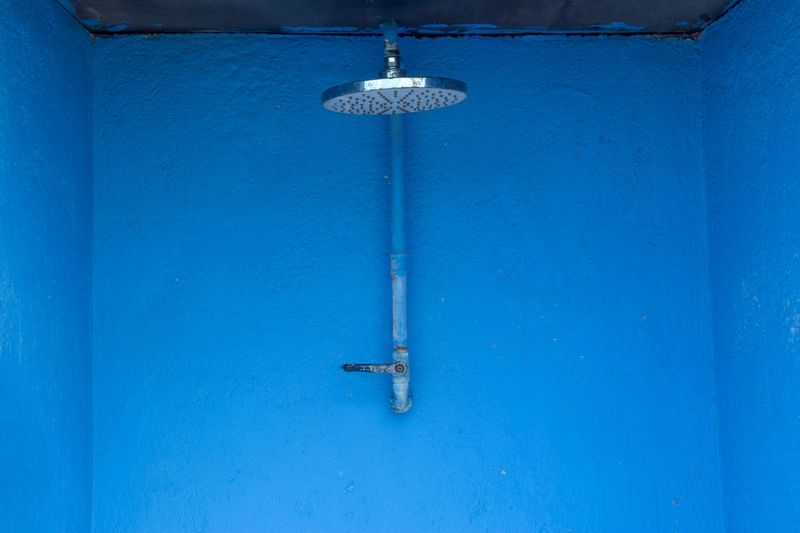
What Hard Water Is Doing Inside Your Home
Hard water contains dissolved minerals, primarily calcium and magnesium. These minerals are not normally a health concern in Calgary’s municipal water, but they can precipitate when water is heated or evaporates. That is what creates the chalky deposits around faucets and the scale inside plumbing components.
Over time, scale can restrict small passages in aerators, shower valves and appliance connections. A water softener exchanges calcium and magnesium ions for sodium or potassium ions, reducing the minerals that form deposits. It does not purify drinking water or remove every contaminant, so homes with specific water-quality concerns may need separate filtration or reverse osmosis equipment.
For installation details and to discuss whether softening is suitable for your home, see our water softener installation service.
Calgary Water Hardness and the Signs to Watch For
Calgary’s water hardness can vary depending on the supply source and seasonal conditions, but many homeowners experience enough hardness to notice scale in daily use. Instead of relying only on a generic hardness chart, we recommend looking at how your plumbing and appliances are performing.
Common signs include:
- White or cloudy deposits around faucets, shower doors and kettle interiors
- Soap that lathers poorly or leaves a film on skin and bathroom surfaces
- Clothes that feel stiff after washing, even with the correct detergent
- Reduced flow from faucet aerators or showerheads
- Scale forming around toilet tank components and supply connections
- A water heater that requires more frequent flushing or service
- Spotting on dishes and glassware after the dishwasher runs
Some of these symptoms can have other causes. Low flow, for example, may be caused by a partially closed valve, a failing pressure-reducing valve or a clogged cartridge rather than hard water alone. We inspect the plumbing before recommending treatment.
How a Water Softener Protects Calgary Plumbing and Appliances
The most important benefit of softening is reducing scale in the parts of your home where water is heated or passes through narrow openings. This includes hot water tanks, tankless water heaters, dishwashers, washing machines, humidifiers, faucet cartridges and shower valves.
Scale acts as an insulating layer on heat-transfer surfaces. In a storage water heater, mineral deposits can collect at the bottom of the tank and contribute to popping or rumbling noises. In a tankless unit, scale on the heat exchanger can reduce efficiency and trigger service alerts. A softener will not eliminate the need for maintenance, but it can reduce the mineral load entering the system.
For a Calgary household, the practical benefits may include:
- Fewer clogged aerators and showerhead openings
- Longer service life for water-using appliances
- Less scale-related wear on valves and cartridges
- Easier cleaning of bathrooms and kitchen fixtures
- More consistent performance from water heaters
A softener is not a substitute for repairs. If your water heater is leaking, your pressure is unstable or a fixture is already damaged, our residential plumbing team should address that problem first.
Is a Water Softener Worth It for Your Calgary Home?
The value depends on your water use, the hardness level, your existing equipment and how long you expect to stay in the home. A small household with limited scale may be satisfied with an under-sink filter or routine fixture cleaning. A larger family with a tankless water heater, dishwasher and frequent laundry may see more benefit from whole-home softening.
Installation pricing varies with the equipment, plumbing layout, drain and electrical access, and whether a bypass loop is already present. As a general planning range, many Calgary homeowners should expect several hundred dollars for a straightforward installation and roughly $1,000 to $3,000 or more for a complete, higher-capacity system with plumbing modifications. We provide a site-specific quote rather than treating those figures as a promise.
A typical installation may take approximately half a day when the main water line and a suitable drain are accessible. Older homes, finished basements, tight mechanical rooms and relocation of existing equipment can add time. In areas such as older Inglewood, Ramsay, Beltline and Marda Loop properties, we pay close attention to access, pipe material and previous renovations before choosing an installation point.
Maintaining a Water Softener in Calgary, AB
A softener only works properly when it is sized, programmed and maintained correctly. Oversizing can cause unnecessary water and salt use, while undersizing may allow hardness to pass through during high-demand periods.
After installation, use this basic maintenance routine:
- Check the salt level monthly. Keep salt above the minimum operating level without filling the brine tank to the top.
- Use suitable softener salt. Follow the manufacturer’s recommendation and avoid mixing products unnecessarily.
- Check for bridging. A hard crust can form above an empty space in the brine tank, making the system appear full when it is not.
- Inspect for leaks and overflow. Look around the bypass, drain line and brine connections, especially after a power outage or plumbing work.
- Schedule service when performance changes. Hard water returning, repeated error codes or unusual regeneration may indicate a valve, injector, programming or drain problem.
Calgary winters also make mechanical-room conditions important. Keep the softener in a space protected from freezing, and do not route drain tubing where it can freeze or become kinked. Our team can review the installation as part of broader residential plumbing services.
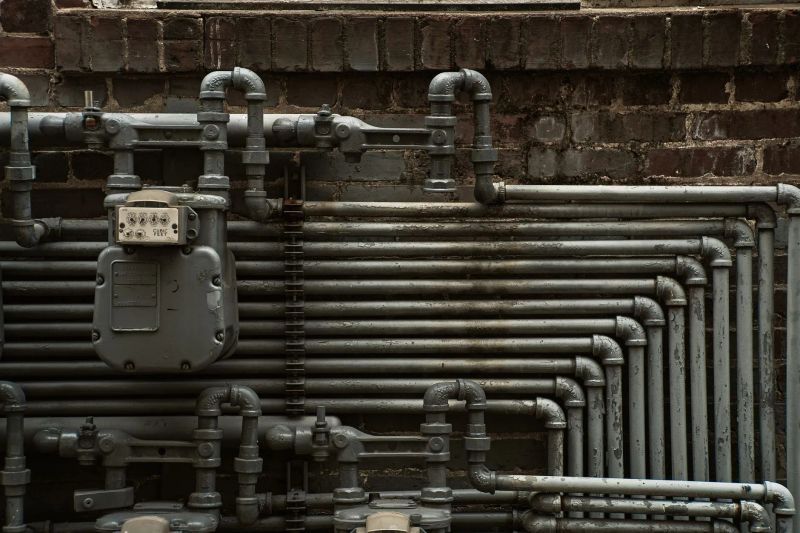
A Proper Installation Matters More Than a Large Tank
The best softener is not automatically the biggest or most expensive model. We size the system according to household occupants, peak water demand, incoming hardness, available space and the manufacturer’s regeneration requirements. We also confirm that the drain connection, bypass arrangement and electrical supply are appropriate.
That attention to detail matters in Calgary homes with finished basements, narrow utility rooms and mixed generations of plumbing. A clean bypass makes future service easier, and correctly supported connections help prevent leaks at the main water entry point.
BPR Mechanical Ltd has earned a 4.9-star rating across 83 Google reviews by focusing on practical recommendations and careful workmanship. If softening is not the right answer, we will explain what would help instead.
Frequently Asked Questions
Is Calgary tap water safe to drink without a water softener?
Yes, hardness minerals in Calgary’s municipal water are generally not a health concern for most people. A softener is primarily installed to reduce scale and improve plumbing and appliance performance, not to make otherwise unsafe water safe.
Will a water softener remove the taste or smell of Calgary water?
A softener is not designed to remove chlorine taste, sediment or other specific water-quality concerns. If taste or drinking-water quality is your priority, BPR Mechanical Ltd can discuss filtration or a reverse osmosis system in addition to whole-home softening.
Do I need a softener if I have a tankless water heater?
You may benefit from one because tankless heat exchangers are sensitive to mineral scale, but a softener does not replace required tankless descaling. We assess your water hardness, usage and manufacturer requirements before recommending equipment.
How often will I have to add salt in Calgary?
Salt use depends on household size, water hardness, water consumption and the softener’s efficiency. Many homes check the brine tank monthly and add salt as needed; unusual consumption can point to incorrect programming or a system problem.
Can BPR Mechanical Ltd install a softener in an older Calgary home?
Yes, we work on homes across established neighbourhoods such as Inglewood, Ramsay, Bridgeland, Kensington and Beltline, as well as newer communities like Mahogany and Signal Hill. We inspect the existing piping, available drain and access before providing an installation plan and quote.